Brazilian modernism hits London at the Royal Academy
When people ask me why I chose London, my answer is simple: because it’s a polyphony here. Of opinions, cultures, and ideas.
When people ask me why I chose London, my answer is simple: because it’s a polyphony here. Of opinions, cultures, and ideas.
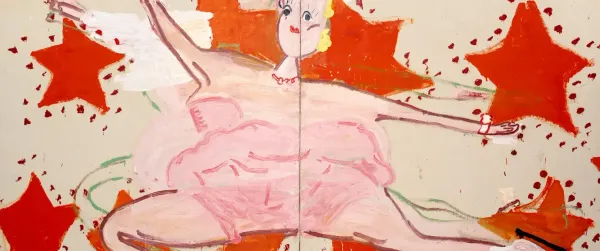
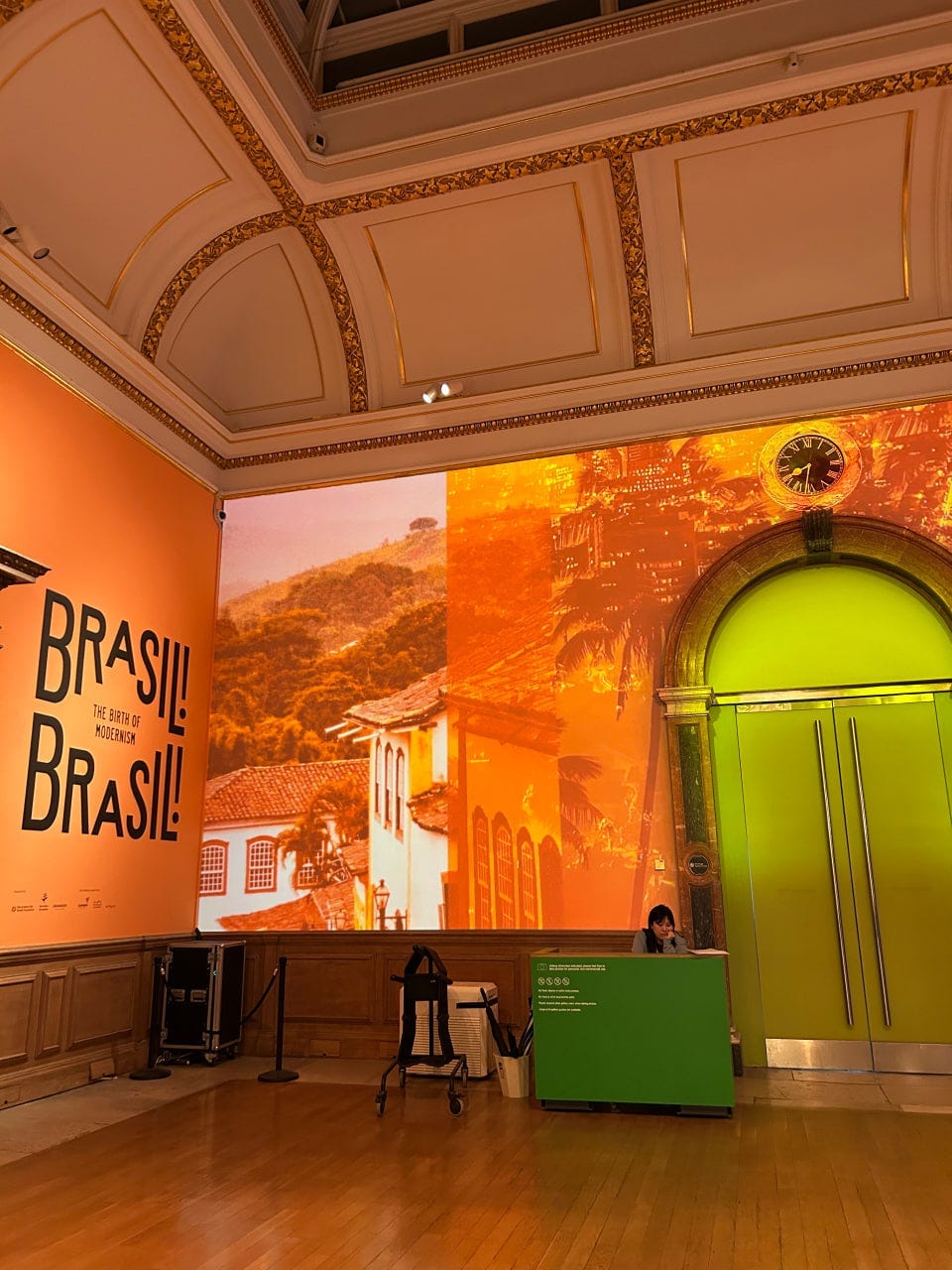
Take Brasil! Brasil!—the exhibition at the Royal Academy exploring Brazilian modernism from 1910 to 1970. It hit me how much I still don’t know about global movements. For instance, the first major showcase of Brazilian modernism in London happened right here, at the Royal Academy, back in 1944. They featured 86 artists from around the world. And 80 years later the conversation continued.
A young, ambitious nation was forging its identity, rejecting Westernized academic traditions and using art to carve out its own cultural language. You see the legacy of Indigenous peoples, the shadow of colonialism, the scars of slavery, and the defiance of selfhood. A celebration of difference over conformity.
Ten artists—and nearly every biography follows a rhythm: studying under masters, emigrating, returning, finding a tribe. Art was born from movement, exchange, and dialogue. You had to see how others worked and found their own people.
Some pieces could pass for Soviet realism, others felt like they’re straight out of a European academy. It’s as if they all studied in the same place, then scattered across the globe. And honestly? What a joy it was to just look at painting again. The kind that would’ve gotten me kicked out of the Stroganov Academy even faster.
Then there’s Tarsila do Amaral—a painter from a family of wealthy coffee planters. In 1931, she had a solo show in Moscow and later joined the Brazilian Communist Party.The best part? The exhibition merch shop sold coffee. I let you savor the irony.