Eating My Way Through Mexico, Accidentally Finding Culture
From Anahuacalli’s volcanic modernism to the Estela de Luz fiasco: a brief field report from a city that resists simplification.
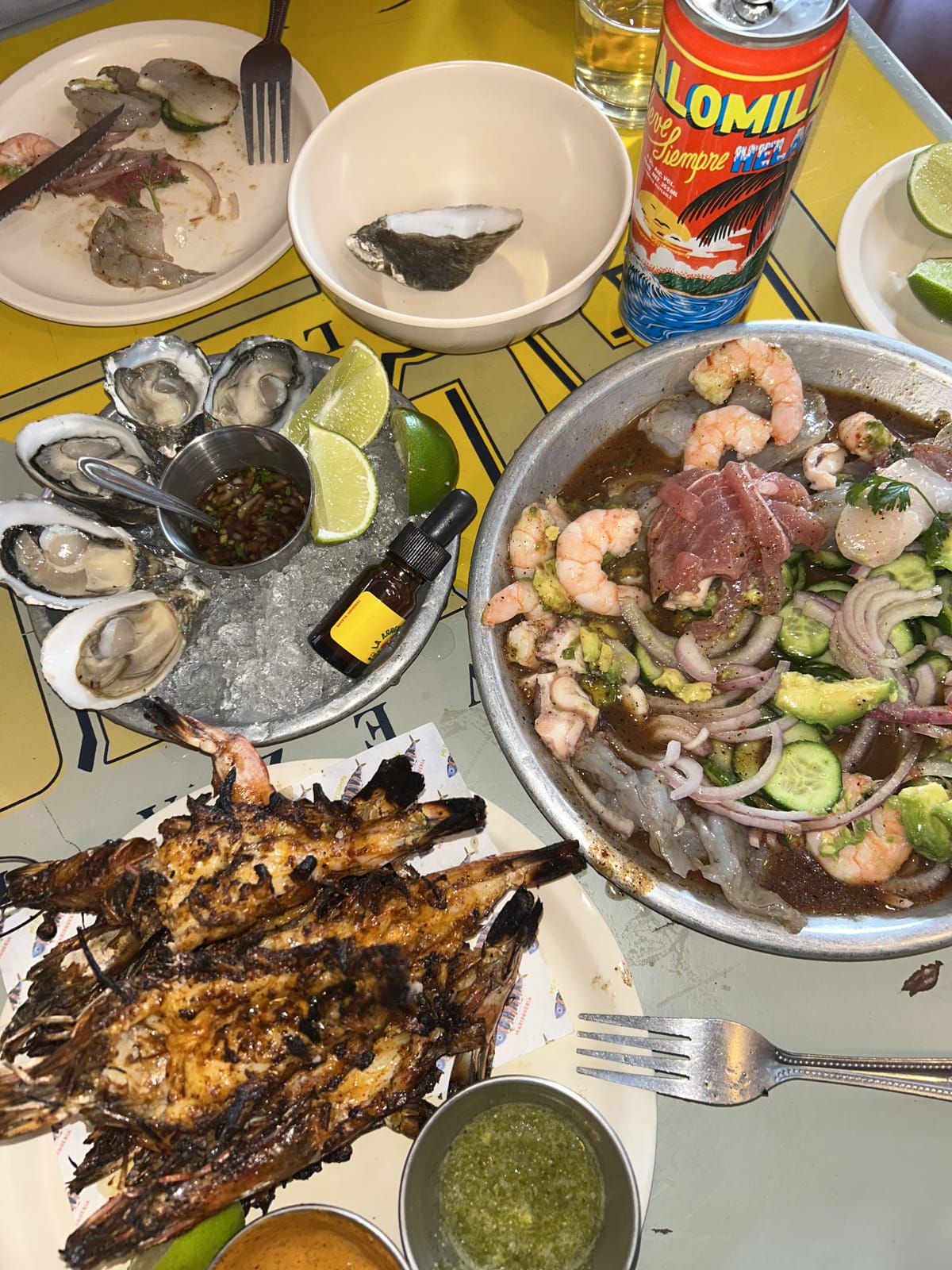
My trip to Mexico felt like a dream. I’d been wanting to come here for years, but the “tourist Mexico” I’d seen through other people’s stories didn’t even come close to preparing me for the real thing, which absolutely surpassed my expectations.
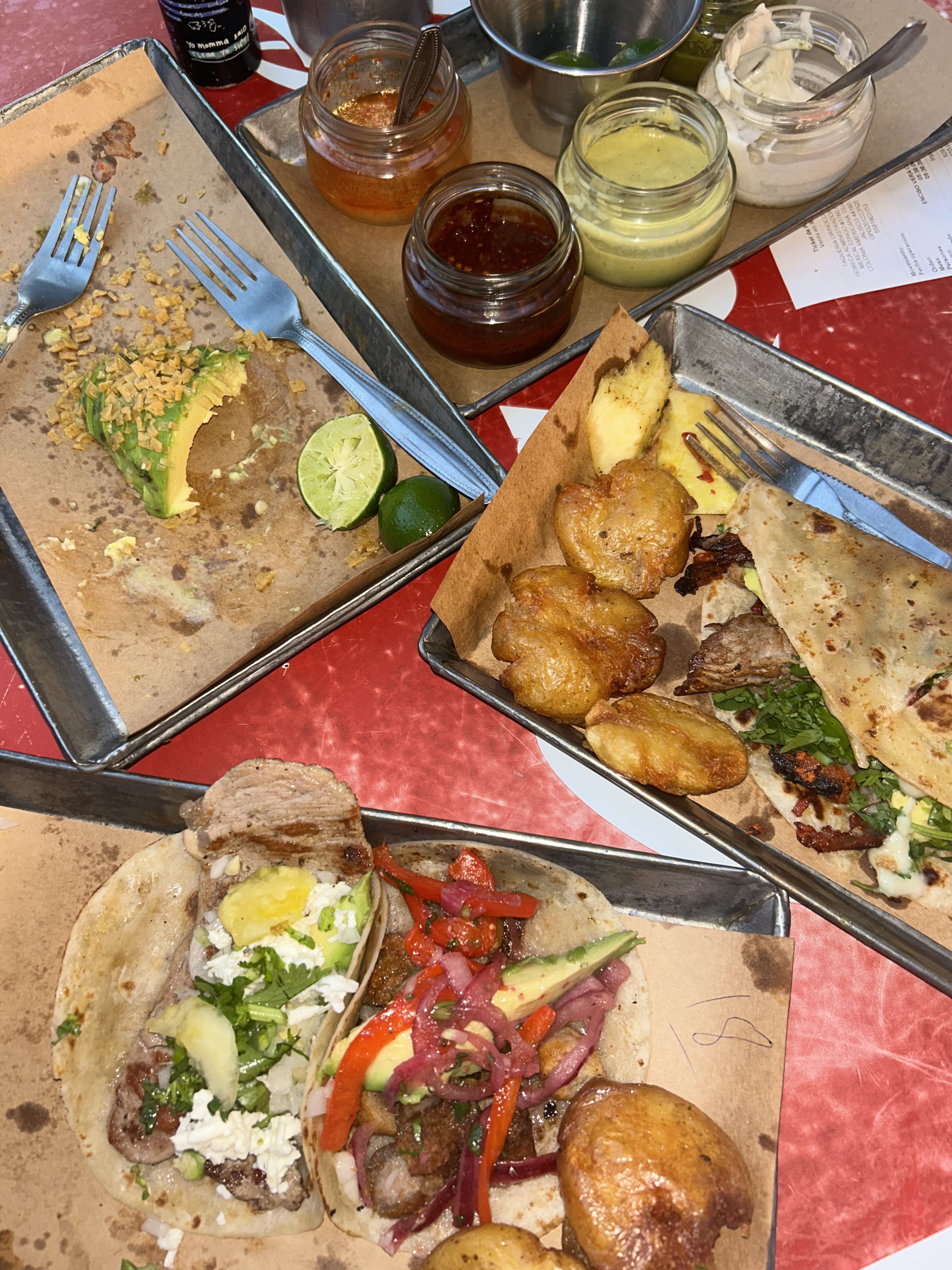
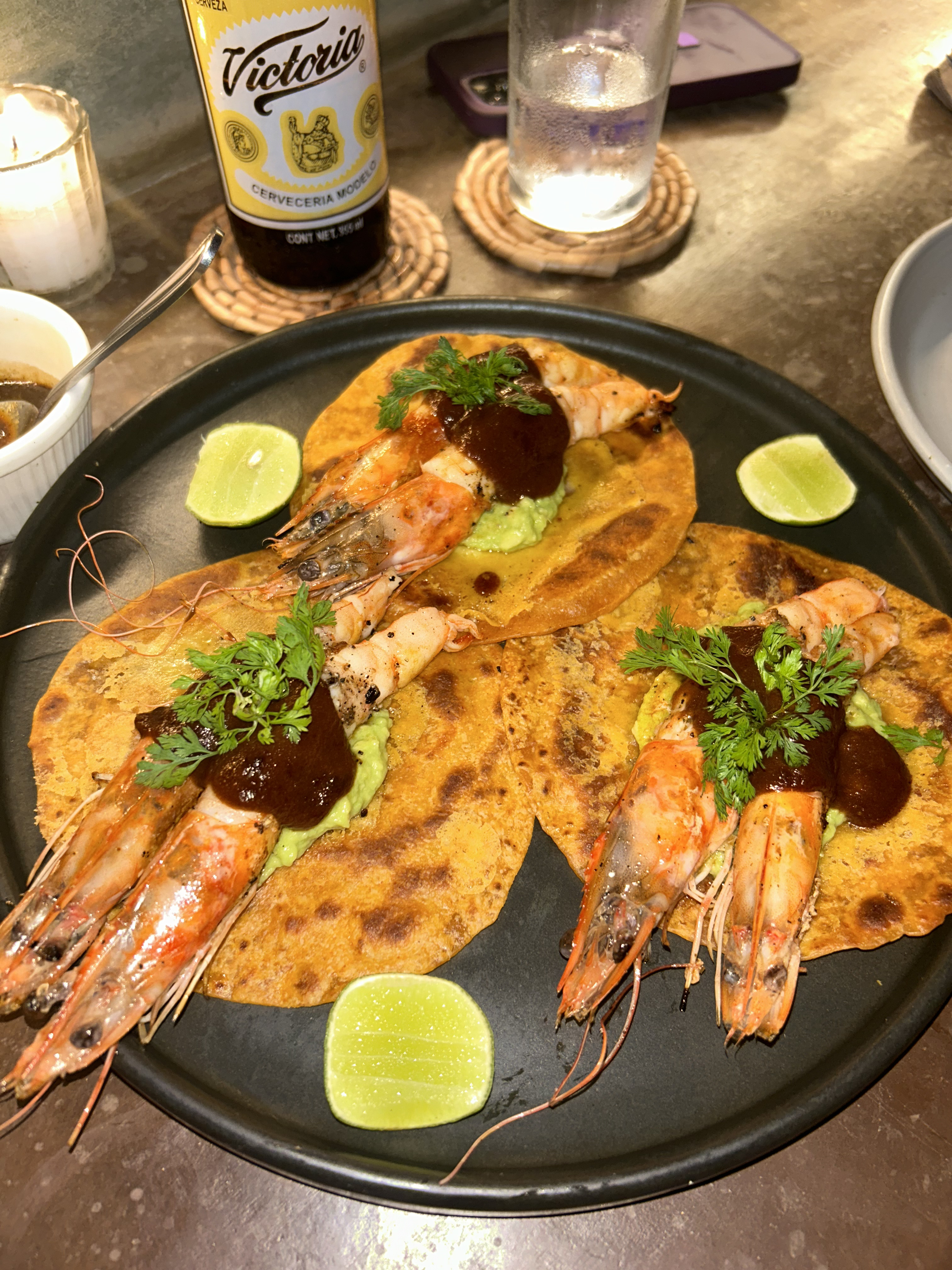
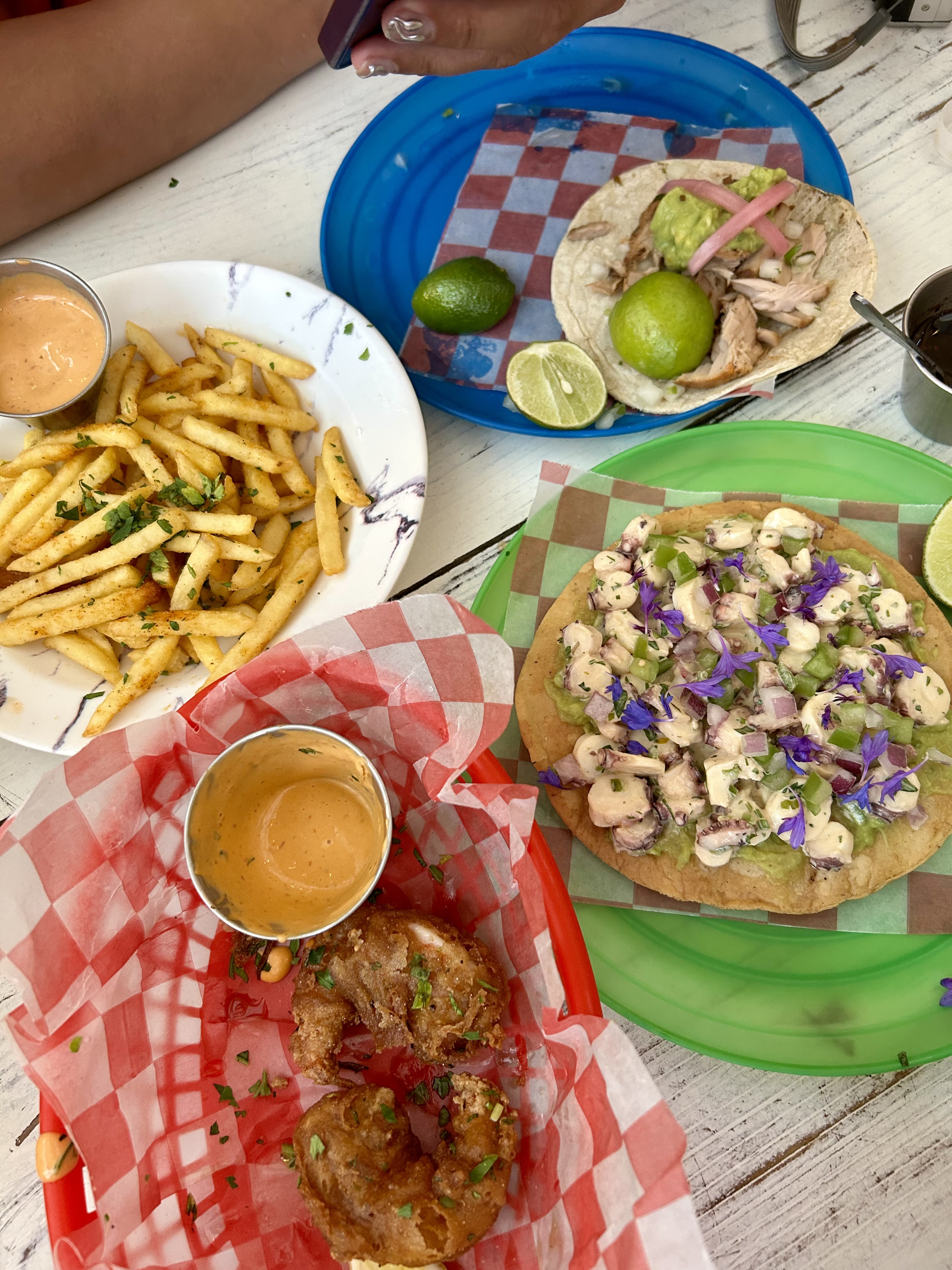
Mexico City is an extraordinary place: clean, green, breathing. It’s a city where street food that has never met a sanitary inspector peacefully coexists with Michelin-level bars and restaurants that could easily stand next to their European counterparts, just with far kinder prices.
I ate dozens of tacos; discovered that burritos are, in fact, not especially folkloric; and reached the point where even mole — which, by the way, contains over 100 ingredients — simply wouldn’t fit anymore. There was also a michelada, a paloma, a margarita, and mezcal, of course. Drinks here form their own genre of gastronomic baroque, where you’re simultaneously drinking, eating, salting, sipping, and eating again.
Because the trip was built almost entirely around food spots, I won’t pretend I saw much culture this time (although I probably should write a separate text about lucha libre — men in glitter throwing themselves off ropes to the soundtrack of Spanish swearing, while the audience sips beer half-diluted with tomato juice).
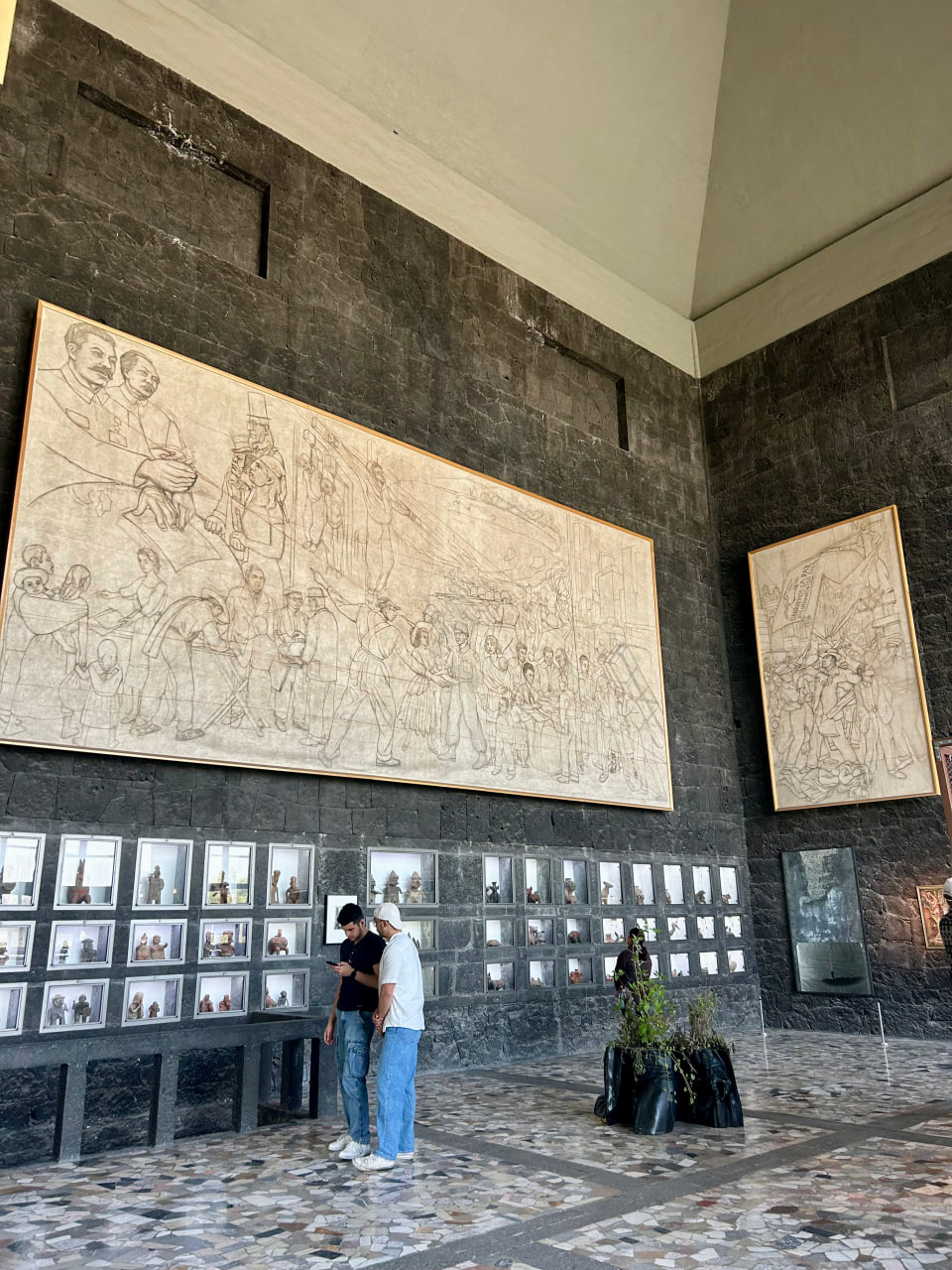
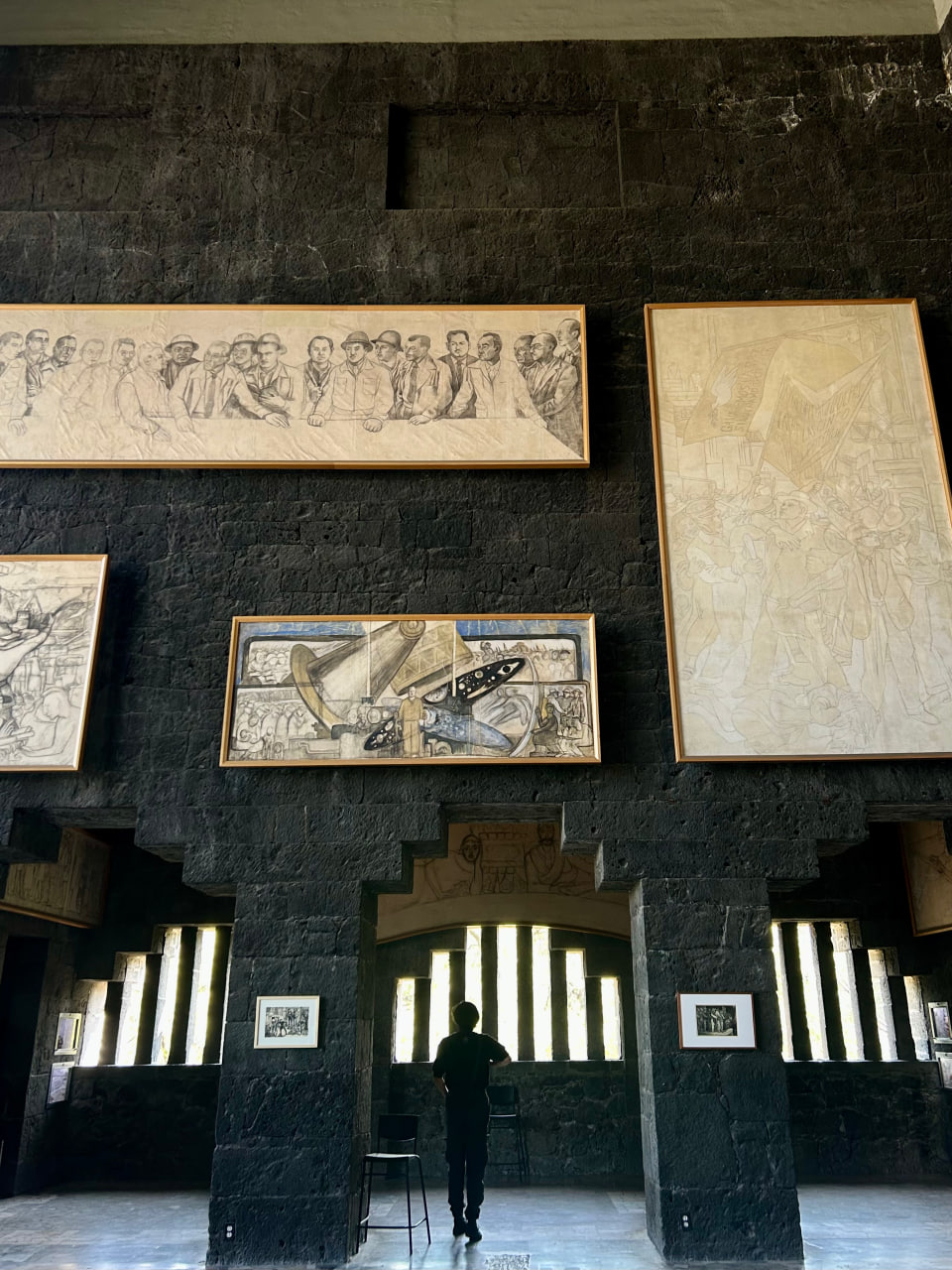
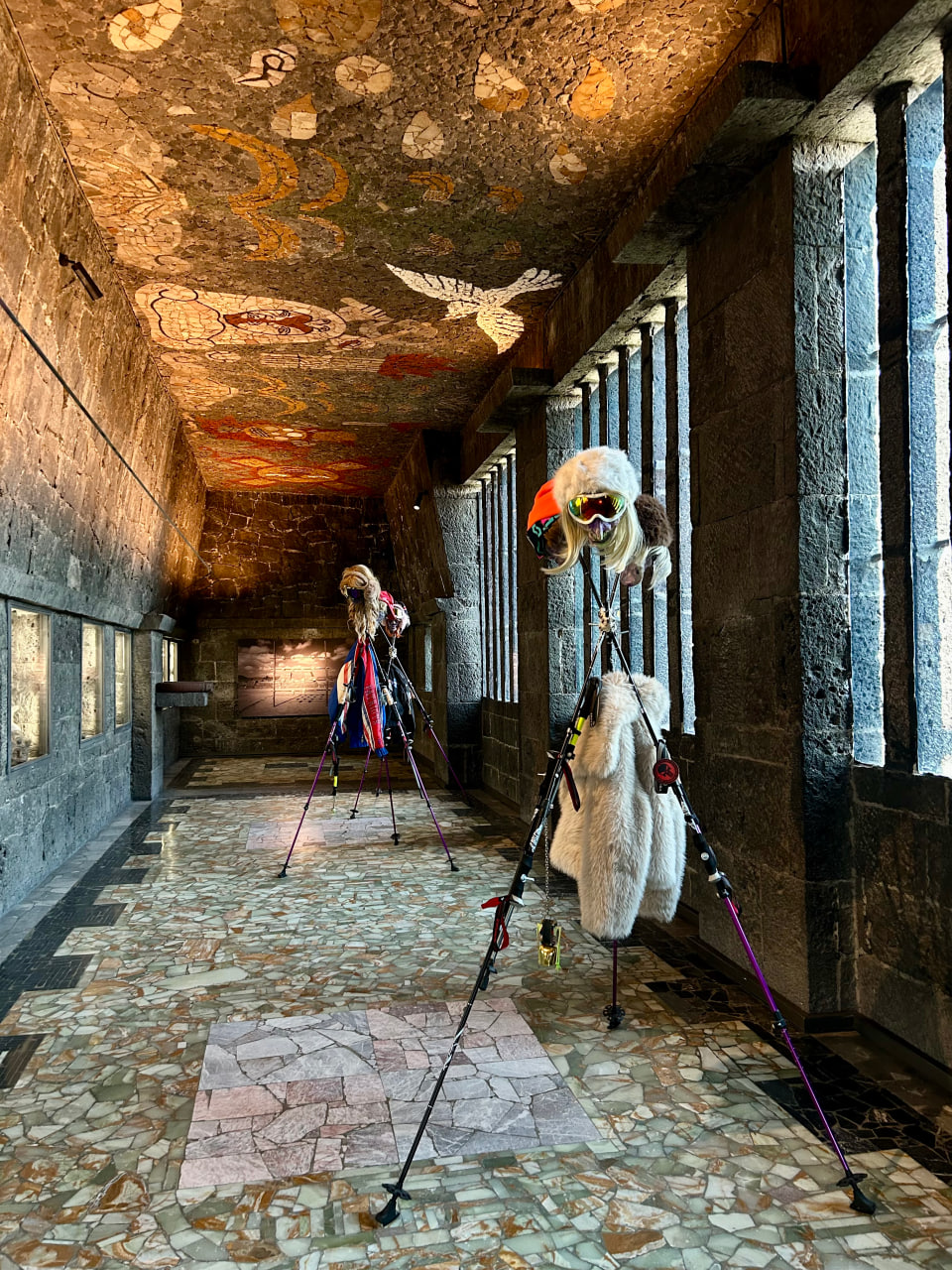
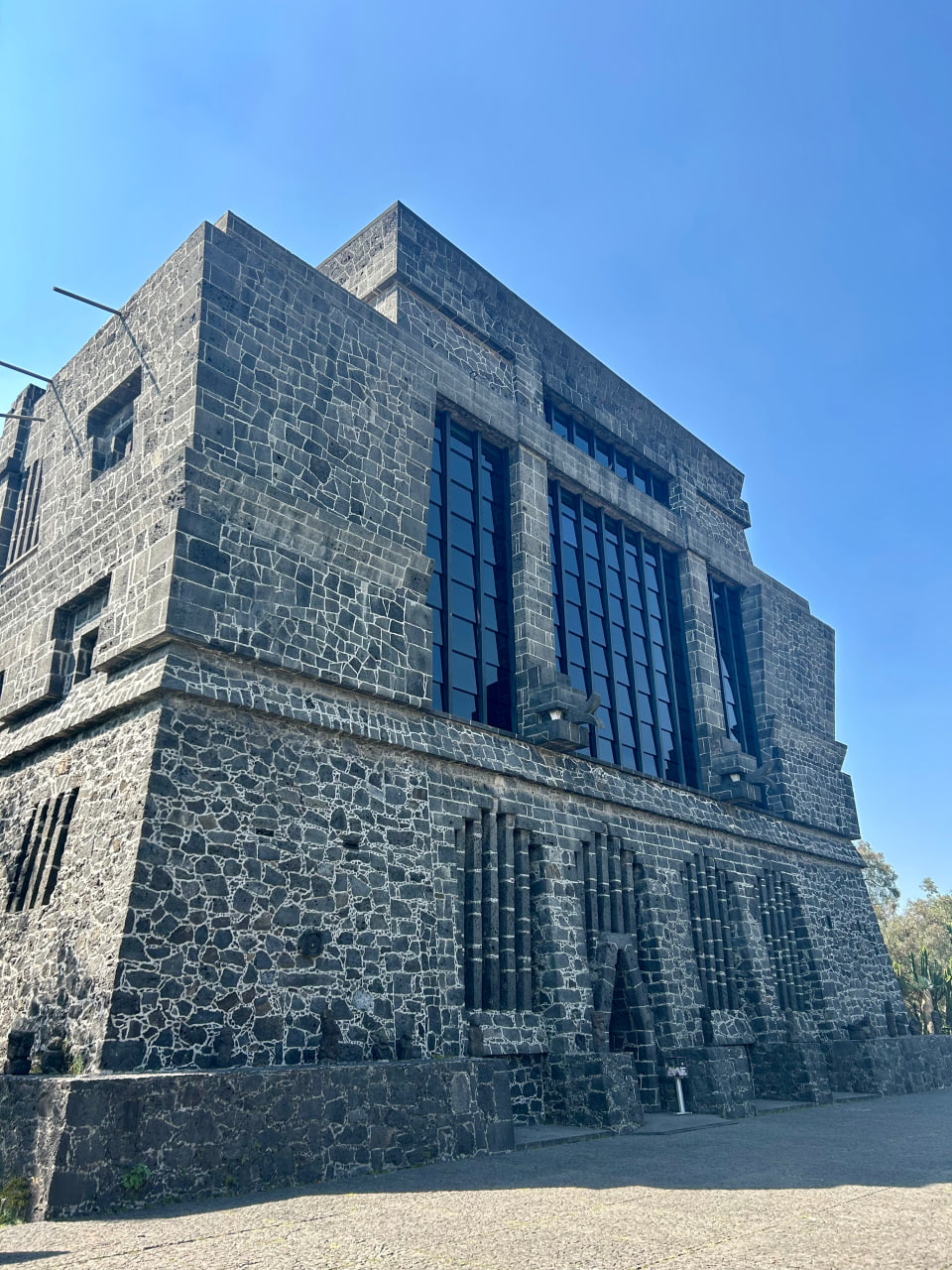
But I’ll tell you about one absolutely great museum — Museo Diego Rivera Anahuacalli.
It’s the space Diego Rivera designed together with architect Juan O’Gorman as a temple for his collection of pre-Columbian art. And it really does feel like a temple: cold, monumental, built of volcanic stone and structured after the pyramids of Teotihuacán. And yes, there’s contemporary art there too.
The museum seems to grow out of the earth itself — it literally stands on the lava fields of Pedregal. Inside are dark corridors, children singing in chorus, a portrait of Stalin, and none of the usual museum transparency — only dramaturgy. And if I saw Teotihuacán in the early morning under the hum of hot-air balloons rising at 5 a.m. sharp, then Anahuacalli is its darker, more intimate counterpart.
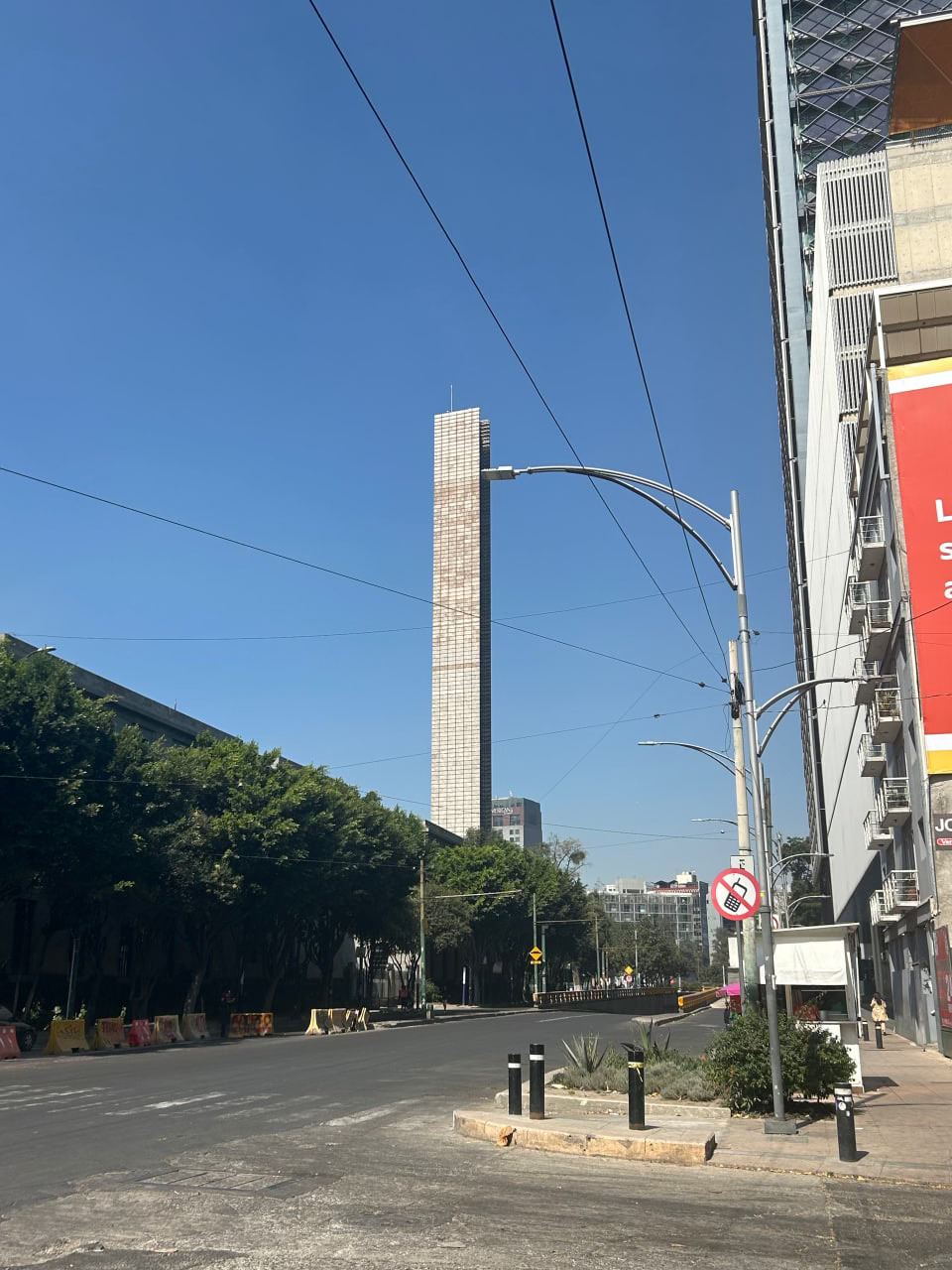
And since Mexico City clearly wasn’t done surprising me, here’s another story — this time about a monument that was supposed to become a symbol of national pride, but ended up as the city’s unofficial tribute to corruption.
The Estela de Luz — the “Pillar of Light” — was meant to shine like a modernist beacon of independence. In reality, it shines mostly as a reminder of what happens when the state decides to “play” with contemporary art.
The monument was commissioned in 2009 under President Felipe Calderón as a gift to the nation to commemorate two significant anniversaries: the bicentennial of independence from Spain and the centennial of the Mexican Revolution. Architects Alberto Kalach and Gonzalo Villarreal from Grupo de Diseño Urbano imagined a vertical “gesture of light”: 104 metres of quartz panels, with an LED system inside that was supposed to turn the tower into a glowing line above Reforma.
Guess what? It didn’t. The lighting barely works, and this quartz giant now just stands there like a misplaced nail in the centre of a beautiful capital.
Then came the classic Latin American tragicomedy: the budget grew faster than the monument itself. The original 600 million pesos (48 million USD) turned into more than a billion (about 80 million). Deadlines moved, investigations expanded. By the time the monument opened — a year and a half late — it was already seen less as a celebratory symbol and more as an illustration of a systemic issue everyone in Mexico knows about but few bother to explain.
Today the Estela de Luz is too ambitious to dismiss as a simple mistake and too compromised to inspire pride. It stands on Paseo de la Reforma as a reminder of governmental excess. In short: the modernist ‘monument of light’ turned into a monument to where the light — and the entire budget — quietly slipped away.
And if you’re suddenly planning a trip to Mexico City, I’m attaching a curated map of food spots in the capital, Oaxaca and Puerto Escondido (https://maps.app.goo.gl/X9TUa6K7srJM6nR29?g_st=i). I’ve barely tried even a small part of it — I’ll have to come back.
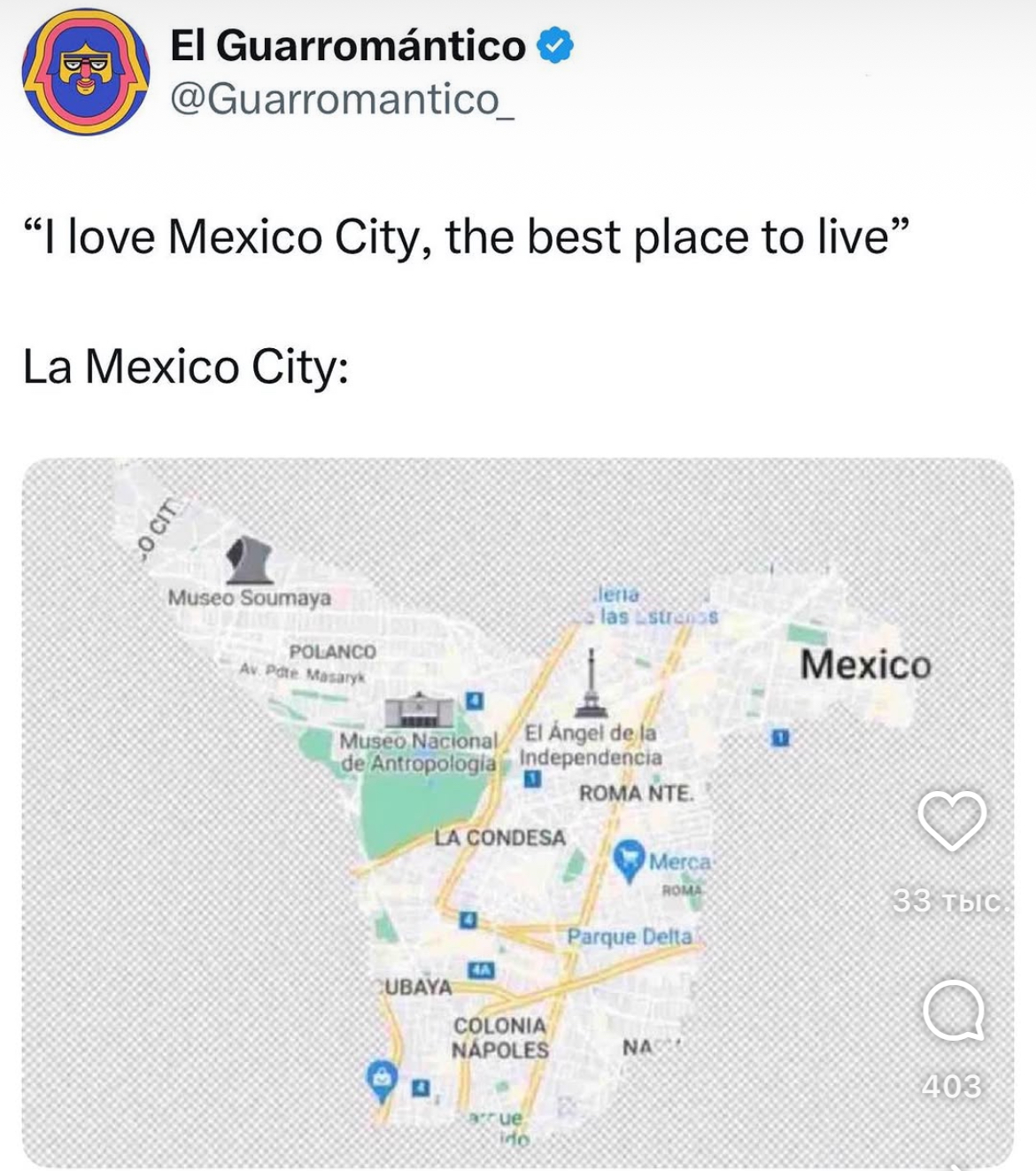
+ MEME