Edinburgh and the Science of Mortality
Scotland is its own world, nothing like England. Tartan everywhere, the air smells of hops, Harry Potter and witchcraft shops around every corner, and even the homeless guys drinking beer wear kilts. People are friendlier. The national dish? A deep-fried Mars bar. Not only all the pork things and my personal favourite, Scotch eggs. Incredible nature. But today is about the museum.
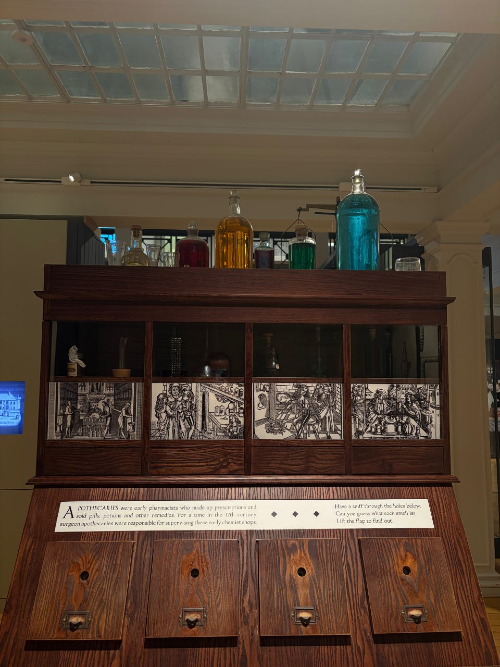
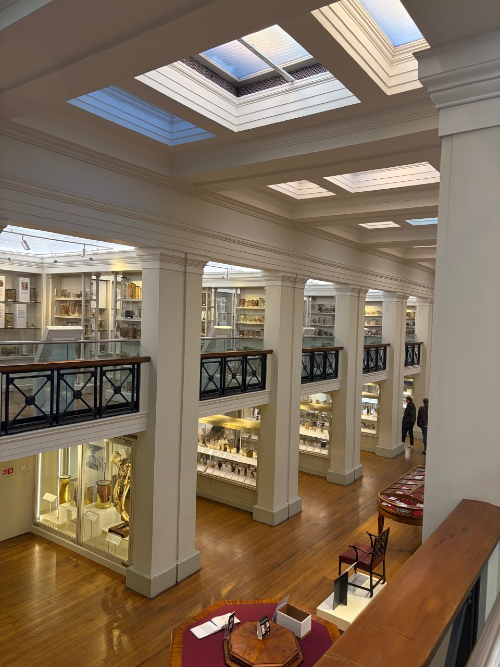
If haggis didn't make you feel personally acquainted with the inside of a human body, Surgeons' Hall Museum will finish the job. Haggis prepares the stomach, the museum delivers the final blow. That said, I'm not faint-hearted and knew what I was signing up for. The museum was founded in 1505 (yes, 1505 — when surgeons and barbers were officially in the same guild), and from 1699 began collecting "natural and artificial curiosities." The current building opened in 1832, designed by architect William Playfair.
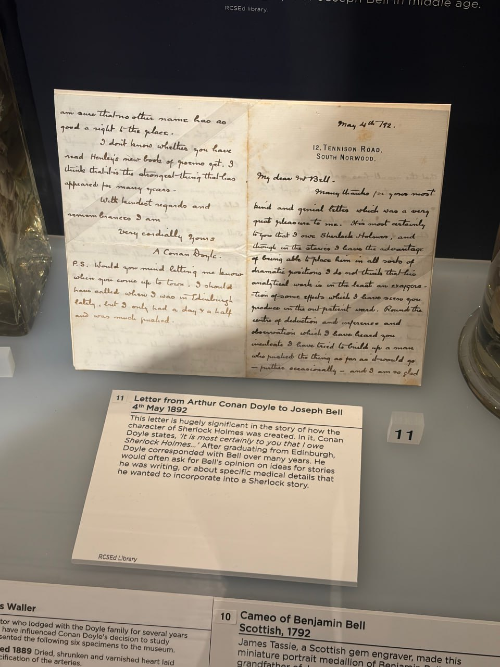
The first section covers the history of surgery, anaesthesia, antiseptics, and everything in between. There are letters from Arthur Conan Doyle, who consulted with surgeons at the Royal College while creating Sherlock Holmes. The real-life inspiration for the detective is believed to be Edinburgh surgeon Joseph Bell. Then there's the separate story of Burke and Hare — two gentlemen who in the 1820s realised that selling corpses to medical schools was quite profitable, and decided not to wait for people to die on their own. At least 17 victims.
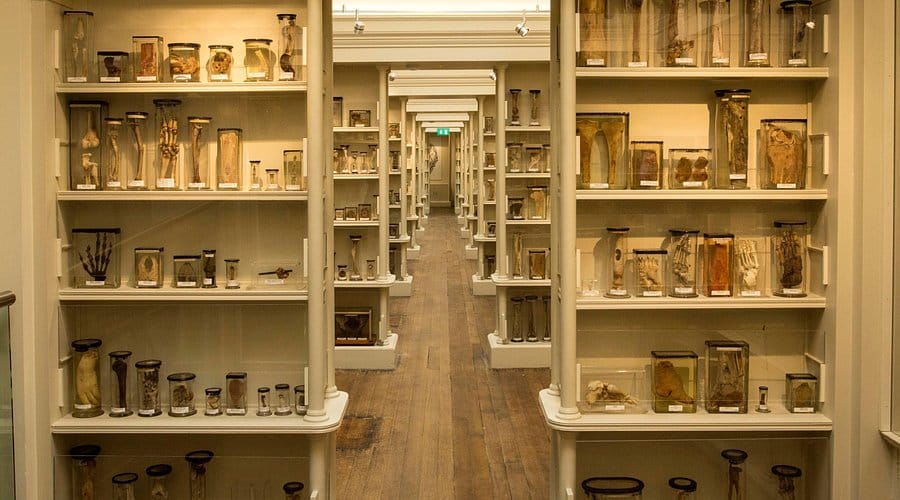
Next up: a reconstructed anatomical theatre and the Wohl Pathology Museum — embalmed body parts, tumours, pathologies. A vast collection you could spend hours exploring. I'd recommend bringing smelling salts. Afterwards I had a strong urge to eat an apple, just in case.
The temporary exhibition is currently about women surgeons — and there were catastrophically few of them: in the 19th century, Edinburgh's first seven female medical students endured a full-blown harassment campaign before being allowed to practice.
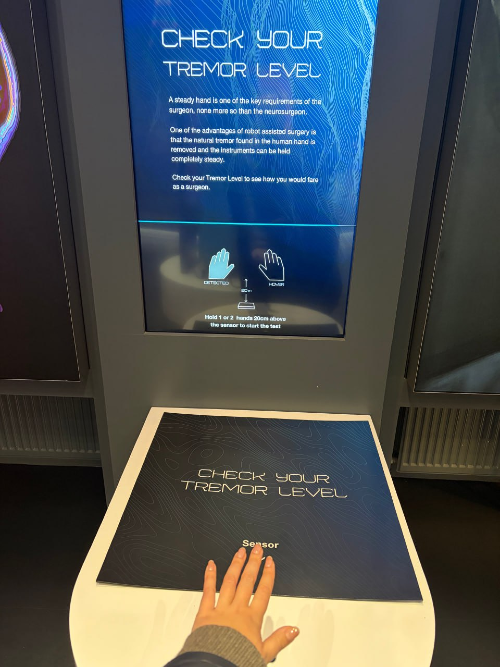
The final hall is, logically, the future of surgery — robots and simulators. You can test your hand tremor and take a readiness-for-surgery quiz. Pleased to report I have no tremor, so a surgical career remains on the table for me.
If you're not put off by exhibits that seem to stare back at you (grateful they don't wink), this is an essential cultural stop in Edinburgh.