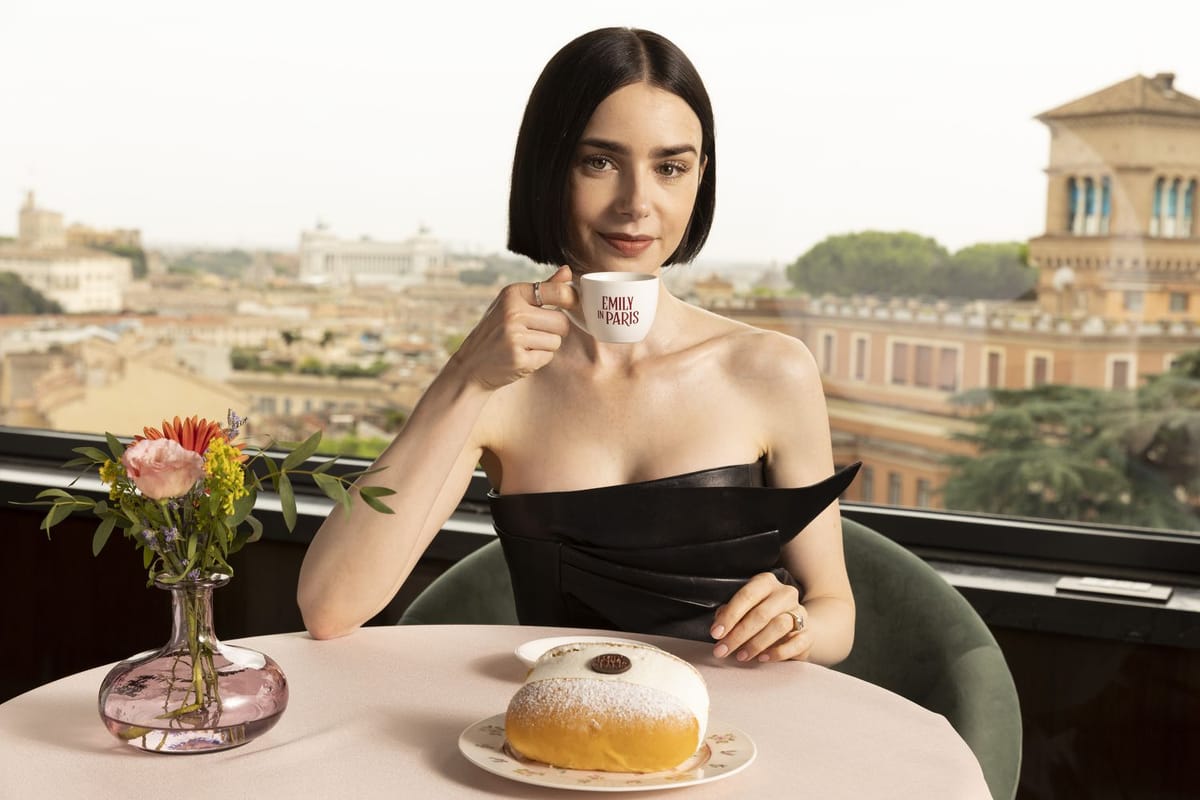
Emily in Paris: a marketing recap nobody asked for.
but everybody needs.
but everybody needs.
The day of release is marked in red on our agency's CO-WORKING calendar. Personally, I absolutely love the show. As well as discussing Emily’s choices not only in love life (team Alfie) but also career. Here is the recap of the most unrealistic marketing tricks from the show:
🇮🇹 Spoilers alert 🇮🇹
EPISODE 1
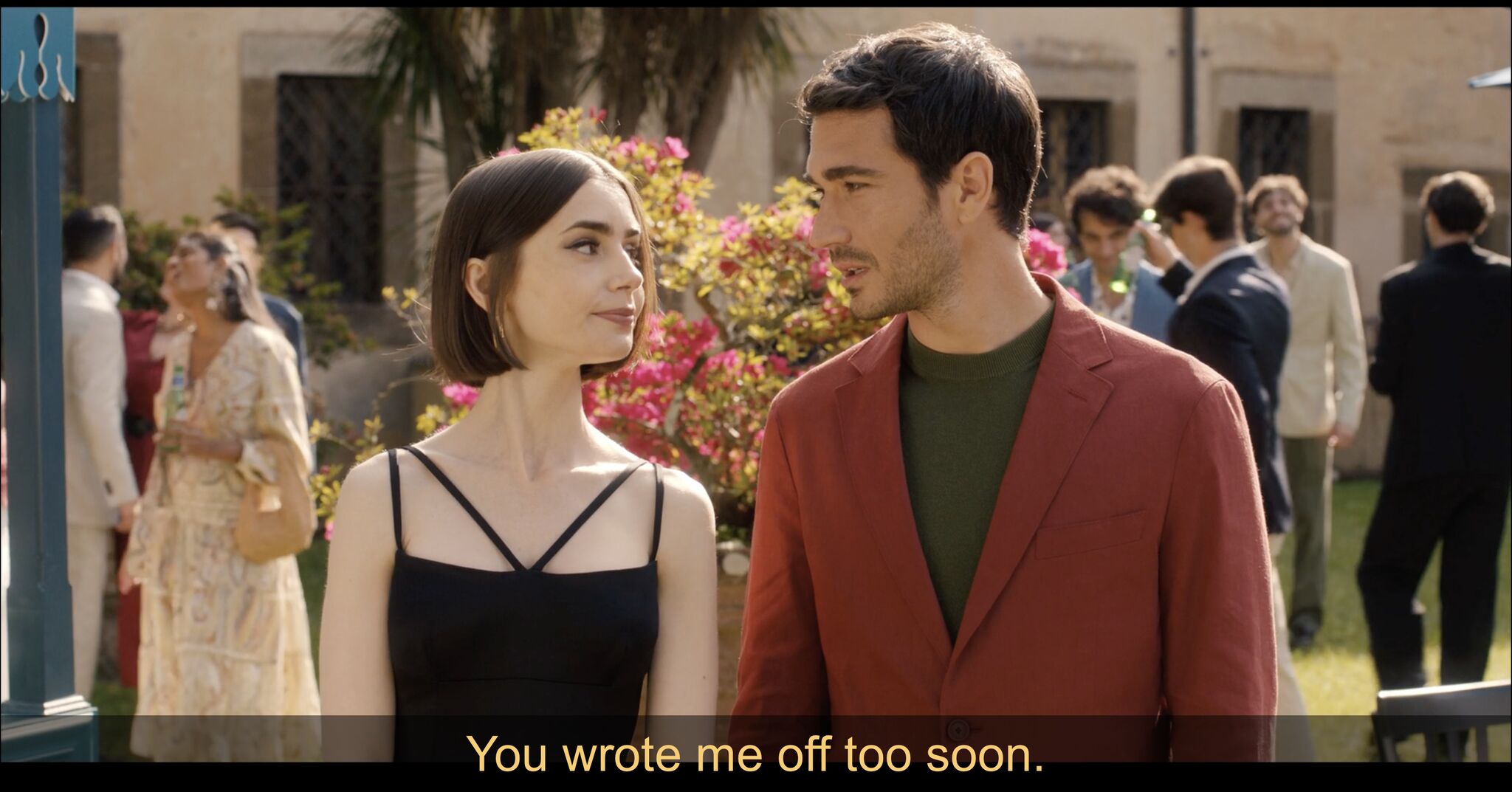
Season 5 at Netflix opens with a bold strategic move: apparently, everyone at the agency has suddenly developed a very active sex life in Italy — some of it framed as “relationship-building with the Dolce & Gabbana office”. Leopard-print underwear quietly becomes a symbol of brand loyalty.
From a professional standpoint, I refuse to believe that the founder of a marketing agency — who constantly lectures everyone on ethics — simply forgot about a meeting with one of the agency’s few remaining clients in Paris because “everyone was in Rome”. This episode is not subtle: the series was clearly designed as product placement first, narrative second.
Emily’s marketing ideas this episode include:
– inventing a new national holiday,
– casually discussing brand strategy over dinner with her boyfriend’s mother,
– assuming nobody has access to Google,
– re-selling already failed perfume launches to other brand,
– not informing clients what meetings are actually about,
– making people fly to another city without explaining why.
Italy is portrayed exactly the way Paris was before: glossy, artificial, hyper-stylised. Every corner looks like a postcard, everyone eats Nutella crepes, Italians are framed as charmingly lazy, aristocrats rent out palazzos and love interest rates, and Peroni functions as a walking label — a true product placement icon.
Business, once again, is conducted quite literally through the bedroom.
EPISODE 2
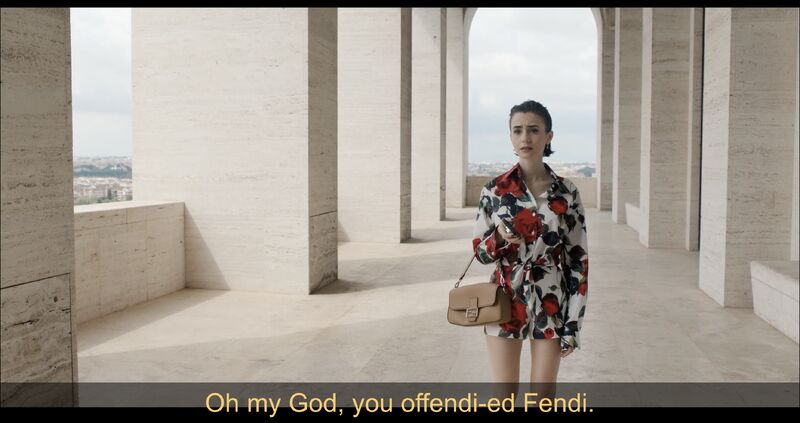
Nine more episodes of pure escapism — which is exactly what this series is for.
Episode 2 doubles down on marketing logic, or rather, the complete absence of it.
Marketing highlights:
– publicly shaming colleagues during a work meeting for drinking at 10 a.m.;
– lying. Perfume marketing that is very much not free: gifting is not free, filming a campaign is not free, and if you’re dealing with top-level executives sleeping with them apparently makes things cheaper;
– creating an Instagram account for a client without approval and filling it with unapproved content featuring goats;
– Emily informing her boss Sylvie that she simply cannot attend a Fendi meeting without her;
– suggesting fake bag to Fendi as a “wow-marketing” strategy during the meeting;
– forgetting to warn a performer that she’ll have to swim in a brown liquid;
– a cover of Espresso performed at an espresso martini presentation.
And yet, somehow, one valid insight slips through the chaos: connections matter more than followers. A rare moment of truth.
Character development continues to be… flexible.
Emily, who took a bus and wore a scarf in episode one, suddenly feels “not Roman enough” and quickly reverts to Parisian styling. Her pure soul, apparently, has no place among Roman snakes who thrive on gossip and money laundering.
For a jealousy episode, the Italian solution is simple: buy her a baguette. Not a French bread. Fendi baguette.
EPISODE 3
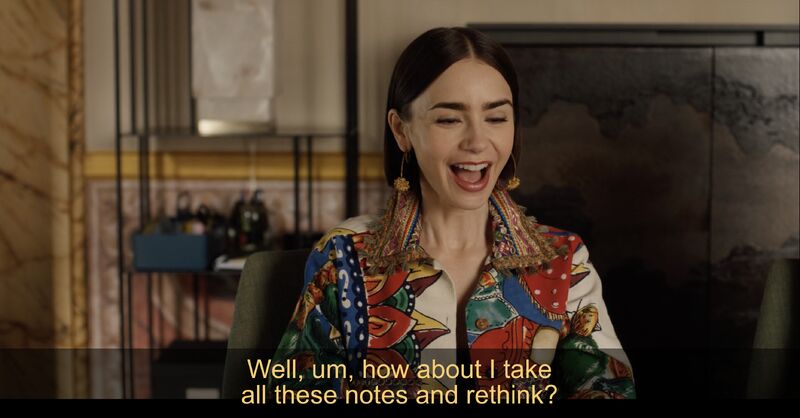
Episode 3 opens with damage control.
After the Fendi failure, the boss sends Emily to a meeting with Intimissimi— because nothing restores professional credibility like lingerie.
Marketing highlights:
– Emily is reassigned to Intimissimi as a soft punishment after the Fendi mess. Career accountability, Emily in Paris–style.
– Sylvie first negotiates down the fee of her lover, Lady Era, for an advertising campaign — and then casually rewrites the ending of the campaign for him. Love is flexible. Budgets too.
– Emily comes up with a campaign idea while spinning in front of a mirror in lingerie. Inspiration can come from anywhere — that’s not the issue. The issue is that she hasn’t even met the client yet, doesn’t know their objectives, their brief, their KPIs, or their current context. But pitched anyway.
– At the second meeting, Emily delivers exactly one sentence — something vaguely philosophical about people needing to talk to each other. Deal closed. I don’t believe this. Not in a million years.
Episode 3 quietly reinforces the show’s core fantasy: ideas don’t need research, briefs are optional, and senior clients are mostly waiting for a sentence that sounds profound enough to approve everything on the spot.
EPISODE 4
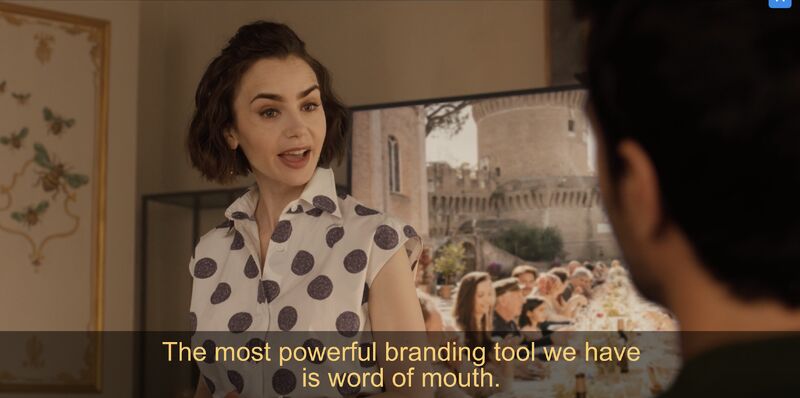
Rome wasn’t built in a day. Emily managed to ruin it in one.
Marketing highlights:
– Emily forbids Sylvie from vaping. A power move, apparently. Especially impressive given that Emily is attending Sylvie’s meetings while Sylvie is, for some reason, personally editing a video.
Quick reminder: if you’ve hired a director, they usually come with an editor. Or at least a post-production workflow.
– Luca’s Boucheron incident from Season 4 finally comes back. You know, the part where he casually suggested scamming clients with a necklace, staged a chase, and was promised forgiveness. Season 5 confirms: they did not forget. Accountability arc unlocked.
– Everyone continues to behave as if Rome and Paris are on different continents. Reality check: it’s a two-hour flight. EasyJet. €15. Client relationships saved. Yet somehow, no one ever just… goes.
– At an event, Emily insists on no video, one photo only. Why? That makes sense if you’re attending the opera. Less so if you’re launching a cashmere brand.
– Emily sends an unfinished film to a client while her boss is out looking for cigarettes. Snake move.
– One influencer dinner allegedly relaunches tourism for an entire Italian city overnight.
– One client — then three — is apparently enough reason to open a huge, beautiful local office. And also enough reason to shut down “an entire division” the moment those clients leave.
Episode 4 reinforces the show’s core belief system: logistics are optional, geography is theoretical, and business decisions are mostly emotional gestures.
EPISODE 5
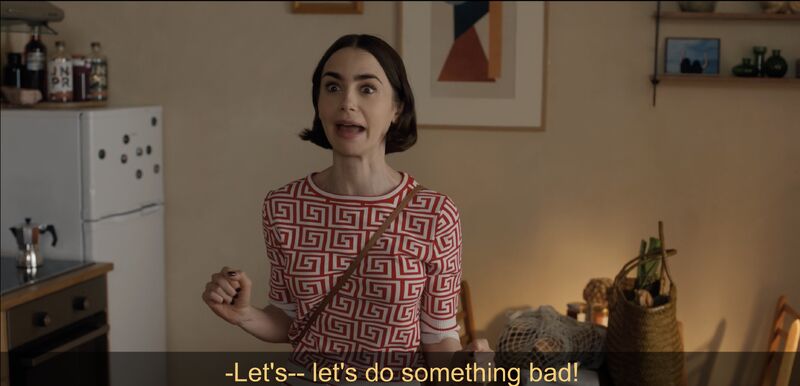
Back in Paris, still no brief. Emily is back in Paris. She speaks broken French — and is immediately accepted as one of their own.
Gabriel, unsurprisingly, is once again having problems with his restaurant. At this point, the restaurant is less a business and more a narrative device.
Marketing highlights:
– The assistant (you know who my father is??) asks agency employees to promote her baseball caps. Just..why.
– Guests of the upcoming event should enter it through a replica Eiffel Tower.
As a concept, this feels designed specifically for the British. Florals? In spring? Same energy.
– The agency assistant is genuinely unaware of Brexit. As in: the UK no longer being in the EU. This explains more than it should.
– Somehow, no one notices the assistant placing a baseball cap reading “Bonjour, bitch” right in the middle of a client event. Not backstage. Not hidden. Centre stage.
– No consequences follow. Naturally.
On a personal note: I finally understand Antoine’s meltdown over Gabriel wanting to introduce a vegan menu. Meat matters.
EPISODE 6
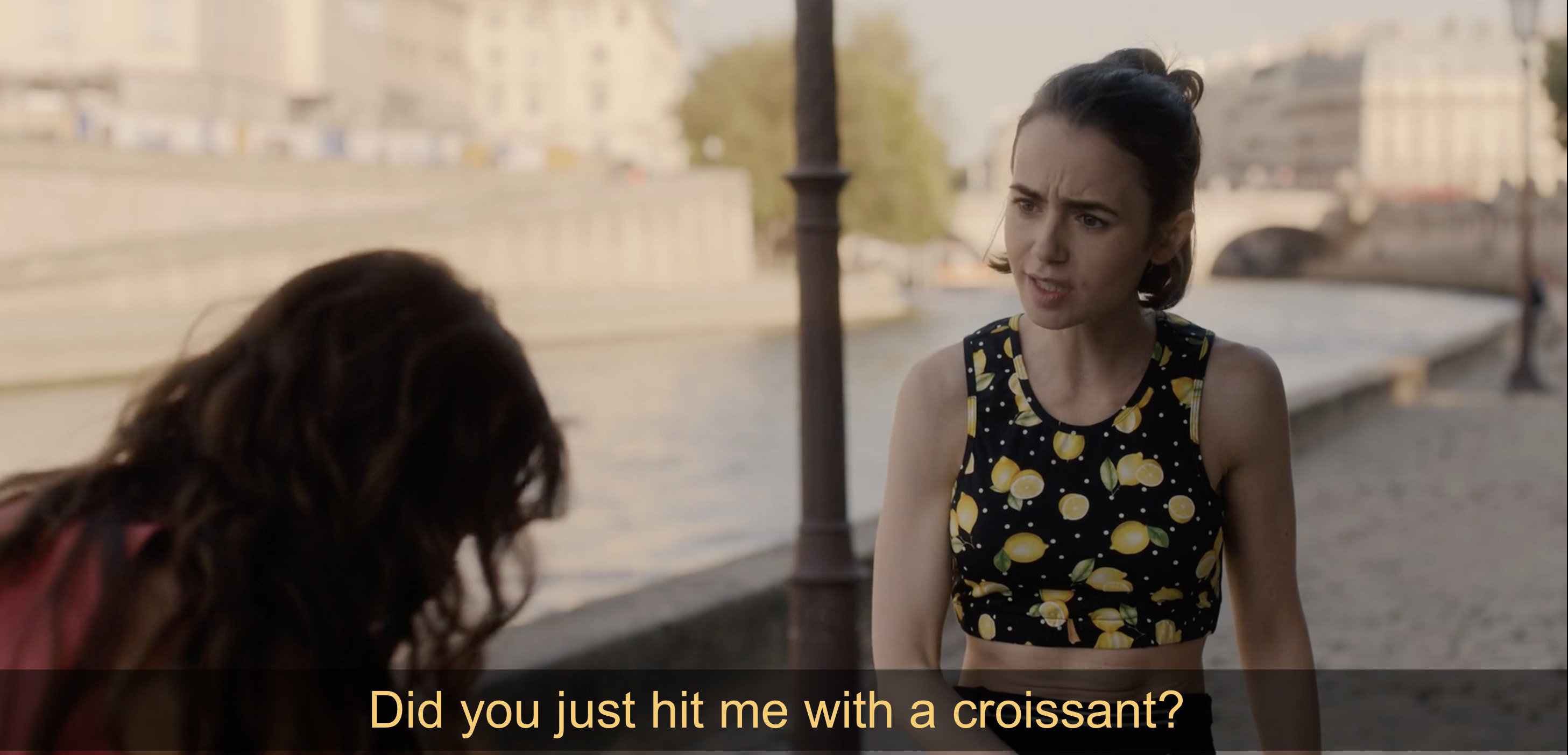
At this point, Emily’s marketing decisions are more interesting than her personal romantic life. Which, to be fair, hasn’t really changed in five seasons. So the shift feels logical. Who sleeps with whom is no longer interesting — unless it’s Camille (Camille still counts).
Marketing highlights:
– A guest chef at a restaurant is neither free nor that simple. More importantly: why is a marketing agency choosing the chef in the first place?
– The owner of a marketing agency apparently doesn’t have Instagram — and doesn’t know how to use it. In 2025.
– During a presentation for a client the size of L’Oréal, Sylvie shows photos from her employees’ personal lives.
General observations:
Emily has objectively started dressing better. A full Marine Serre look appears, and credit where credit is due — it works. She also continues to possess a supernatural ability to attract men of all nationalities at first glance. This remains her most consistent professional skill.
A brief moment of hope arrives with the “Party in the USA” moment and a spread of American junk food. For a second, I genuinely thought nostalgia for hot dogs might finally send Emily home.
It didn’t.
EPISODE 7
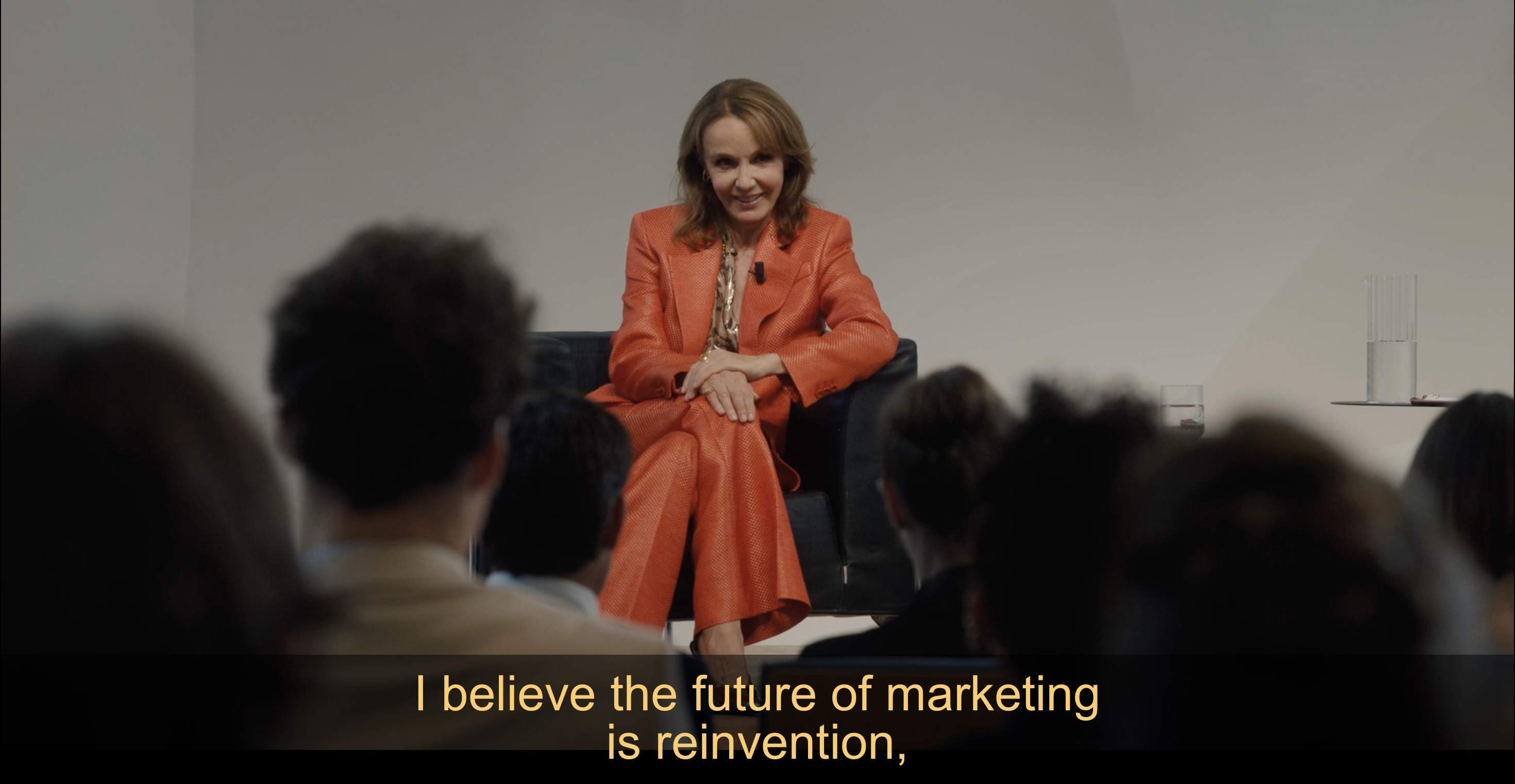
By episode seven, Emily officially becomes a crisis communications specialist. Sylvie, at the same time, publicly announced that the brand is “in trouble” and somehow framing perfume as the thing that saved it during the panel.
Marketing highlights:
– Sylvie publicly discusses a brand crisis on stage.
– Emily publicly sorts out her personal drama with a former lover at the same event. Multitasking.
– Crisis PR for water brand includes launching “rainbow water” — allegedly anti-dehydration.
– The brand is renamed Libid’eau.
– Copywriting peak: “A water for peace and love. We’re sorry.”
– LGBTQ+ representation is reduced to an emotional circus parade with unicorn tears energy.
– Sleeping with clients continues to be positioned as a legitimate business development tool.
– A massive truck saying “WE’RE SORRY” drives through Pride.
Sylvie subplot:
– Sylvie tells a Swiss oligarch she needs to “powder her lungs,” meaning smoking cigarettes.
– Immediately finds younger lovers.
– Continues to be the most accurate ad for Parisian women ageing with confidence.
– Appears mostly half-naked. Leaves meetings mid-way for daytime intimacy.
– Runs off the meeting, glowing with a blue Schiaparelli bag.
Styling note: tailored blazers and trousers finally fit. Fendi bags appear. Hoodie reads “Not from Paris, Madame.”
EPISODE 8
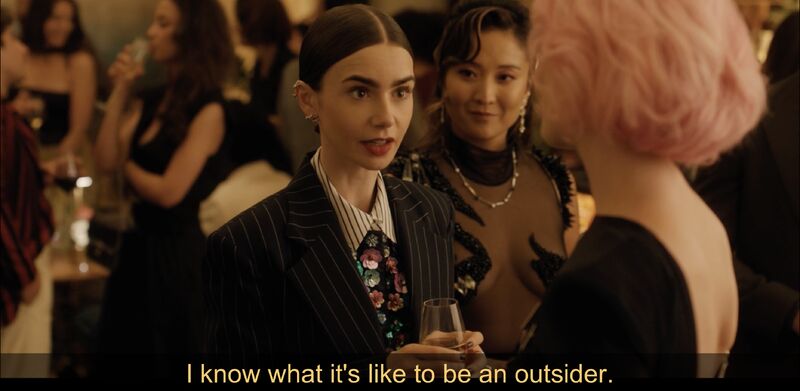
By episode eight, the girls have officially mourned their former “losers” and are already sitting in cafés with new not-poorboys, fully dressed, fully healed. Gabriel is finally removed from the narrative. The American guy is also gone.
Marketing highlights (or cries for help):
– Emily’s first genuinely smart idea of the season finally arrives: she literally smears her arm with minced meat to start a conversation with a star designer whose agent won’t let anyone in.
– Emily attempts to bring together her lover and her friend’s lover to build what feels like an Italian Ralph Lauren. At this point, Julien asks the only sane question of the season: “Emily, when was this business not about your personal life?” Fair.
– A marketing agency is casually offered equity in a brand. No lawyers. No valuation.
– The first brand presentation includes: no actual products, no proper deck, no strategy, but plenty of drama. Which, apparently, still counts as a launch.
– Naturally, when launching a new luxury brand, no one thought about trademark registration.
Gentle reminder from reality: A designer is not just a person who draws sketches. Production, IP, supply chain, legal structure, brand positioning — all exist, even if Netflix pretends they don’t.
Overall takeaway: still unwatchable professionally, still extremely watchable emotionally.
EPISODE 9
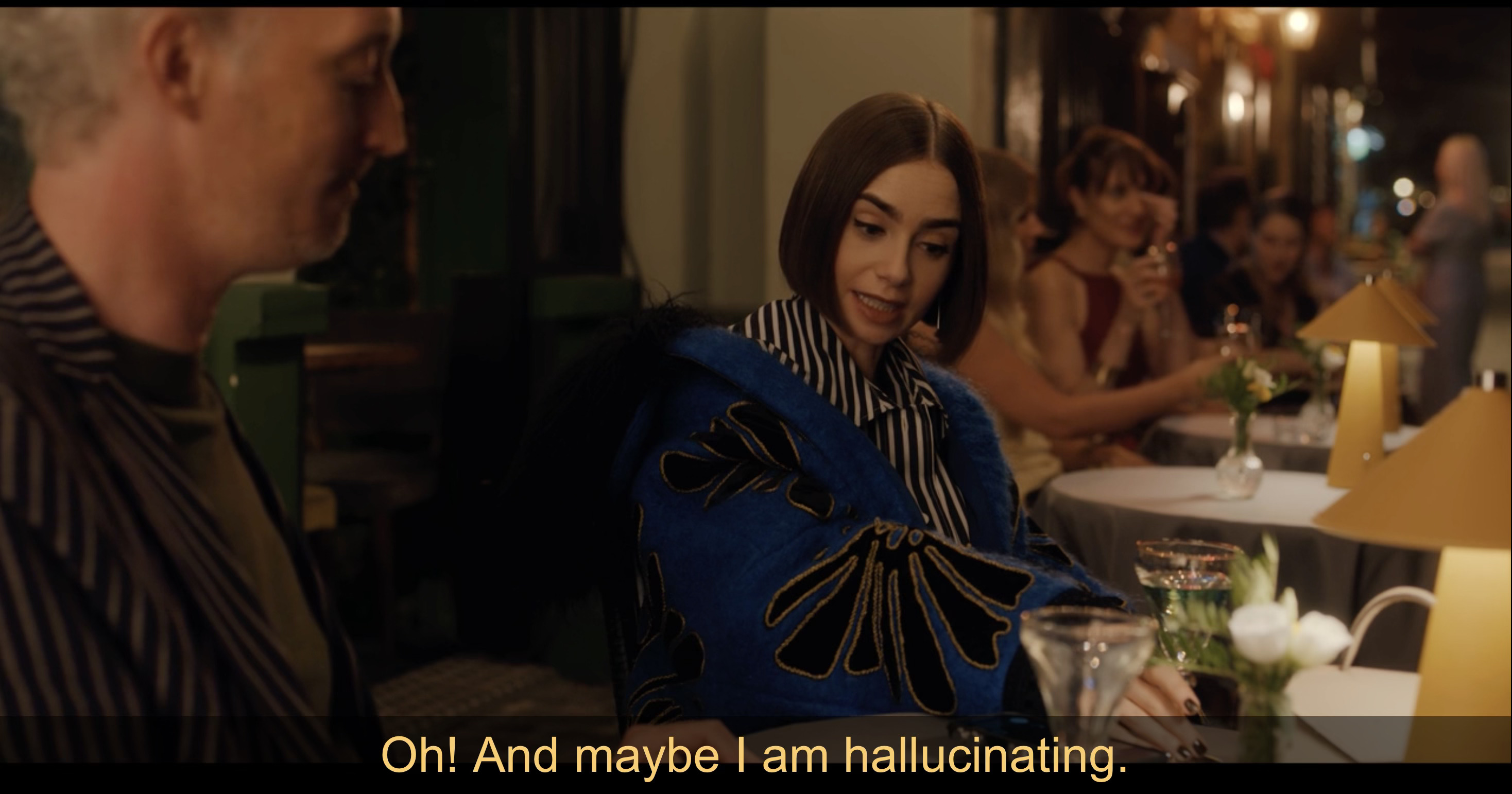
The same group now launches a fashion brand. Because why not. The women continue interfering where they shouldn’t. The men have no idea how a fashion brand actually works.
Marketing highlights (or total narrative collapse):
– Marcello bangs the table and has a meltdown. At this point, the show is no longer about a marketing agency or romance — it’s about an emotionally unstable Italian man with control and mommy issues.
– Emily delivers an extended, overly dramatic monologue to her ex, explaining that she personally feels responsible for his success. Including his Michelin star. You go, girl, but make it narcissistic.
– Emily’s motivational philosophy reaches new heights: “If you’re thinking black, think white.” Groundbreaking.
– Emily’s Chinese friend agrees to play the role of a “rat prostitute” to pay rent, while her boyfriend — heir to an LVMH-like empire — casually hands over his inheritance to Emily’s Italian boyfriend, who is currently firing staff in a rage.
The series officially stops being a comedy. It becomes psychological horror.
FINAL EPISODE
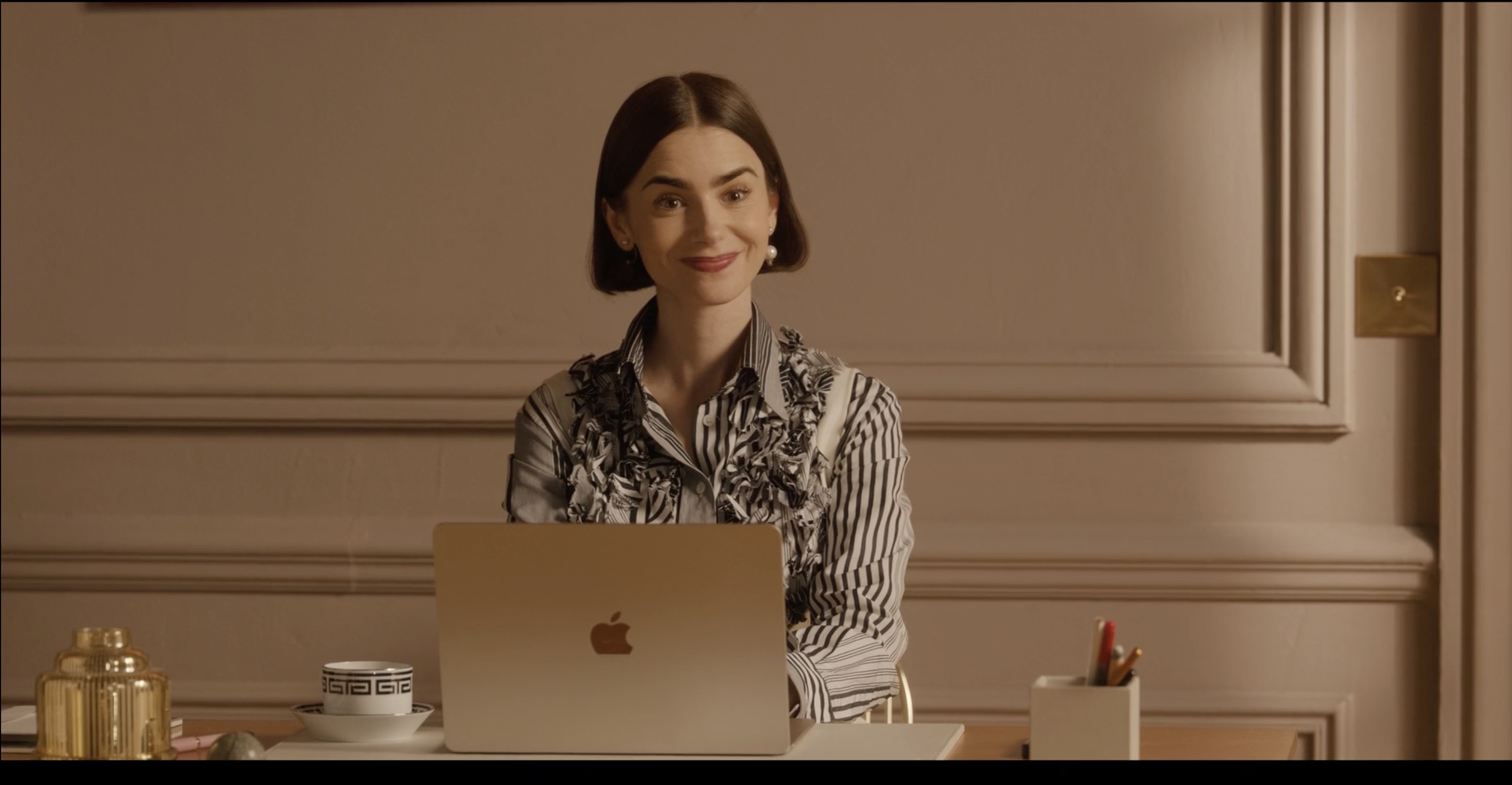
We are now watching a hollowed-out Venice in the company of four business founders. Apparently, Paris rent was no longer affordable — but Venice, a gondola, and the St. Regis somehow were. Everything is flooded. Literally and conceptually.
Marketing highlights:
– Emily reaches a new level of delusion and pitches a Venetian Rick Owens–style one-woman show featuring tourist rubber boots.
Questions:
– Why is Sylvie’s mother somehow legally responsible for her husband?
– Nico’s investments: unanswered, unbothered, unresolved.
Conclusion: Cliffhanger ending. Translation: even more product placement next season. Emily went to Rome largely so the producers could collect money from Italian brands. When (if) she returns to America — that’s where the real money is. Especially after the diplomat incident.
Emily in Greece is SO coming. I can’t wait!