Environmental Racism and the Legacy of Empire
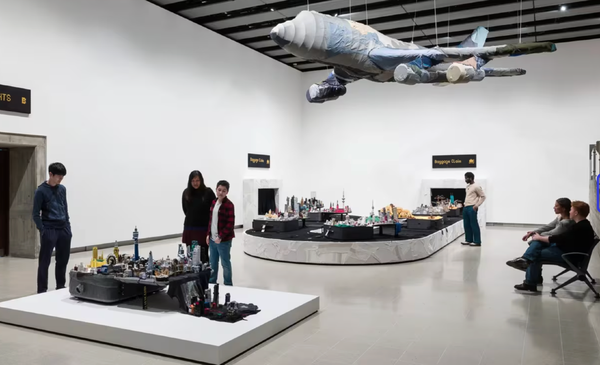
Last year Wellcome Collection was hosting Hard Graft, a powerful exhibition exploring labor—often invisible, undervalued, yet essential.
Last year Wellcome Collection was hosting Hard Graft, a powerful exhibition exploring labor—often invisible, undervalued, yet essential.
The exhibition was divided into three sections: work on plantations, in the streets, and the home. It’s not just theory but a mix of documentary material, contemporary art, and histories of oppression.
Among the exhibits was a book detailing how colonial managers developed "slave management" systems for sugar plantations. The exhibition also addressed environmental racism, highlighting how the lasting effects of the plantation economy—pollution, disease, and social instability—continue to disproportionately impact racially marginalized communities.
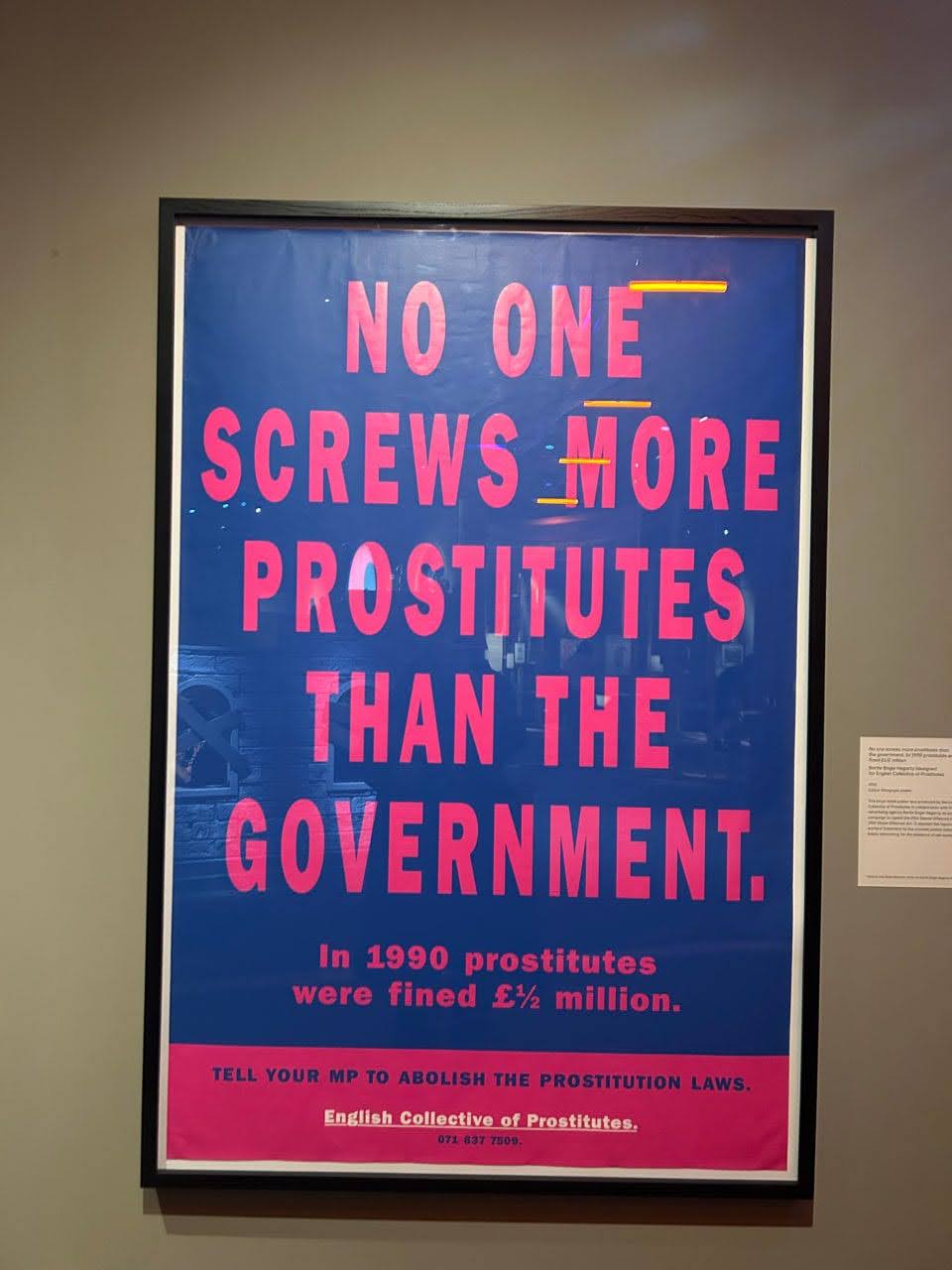
Street economies—sex work, informal markets, waste collection—form the fabric of cities yet remain precarious and unprotected. How do people end up in these systems? What conditions does society impose on them? Documentary materials and research into the US prison labor system drew direct parallels between industrial prisons and slavery-era plantations.
Care work was another key theme, focusing on unpaid domestic labor and the dependency of migrant workers on their employers. Care Chains stood out—an intimate video installation capturing the movement of hands, reflecting on care as both a physical act and emotional labor.
Translating structural violence into an exhibition without it becoming a moralizing lecture is difficult, but Hard Graft achieved this seamlessly. It was logically structured, architecturally well thought out, and flowed naturally from one section to the next. Even as someone who often skims exhibition texts, I found myself stopping to take it all in.