Freud Museum: a place of sublimated things
I finally made it to the Freud Museum.
I finally made it to the Freud Museum.
I wasn’t particularly excited at first, despite being a psychoanalysis fan and having gone through a fairly productive therapy stint myself. House museums rarely spark enthusiasm—you’re mostly just expected to wander through and whisper reverently. But, to my surprise, the museum was packed even in the middle of a weekday.
Located in North London, where lush greenery meets red-brick townhouses in peak English bourgeois stability, the museum occupies the house where Sigmund Freud—the father of psychoanalysis—spent his final years, and where his daughter Anna Freud, a pioneer of child psychoanalysis, lived until her death in 1982. Their love for the garden is still evident—everything from red geraniums and roses to clematis, hydrangeas, plum, and almond trees is carefully maintained. Masha, this is a serious responsibility.
Freud fled Nazi-occupied Vienna in 1938, relocating to London, as he put it, “to die in a free country.” His Hampstead home became his last refuge, passing to Anna after his death. She dedicated her life to psychoanalysis, transforming the house into a research hub. Today, it’s still a family-run operation, and here’s where things get truly Freudian: the museum is managed by Anna’s descendants, a father and son, who can’t take vacations simultaneously because one of them always has to be there. A subconscious repetition of familial patterns?
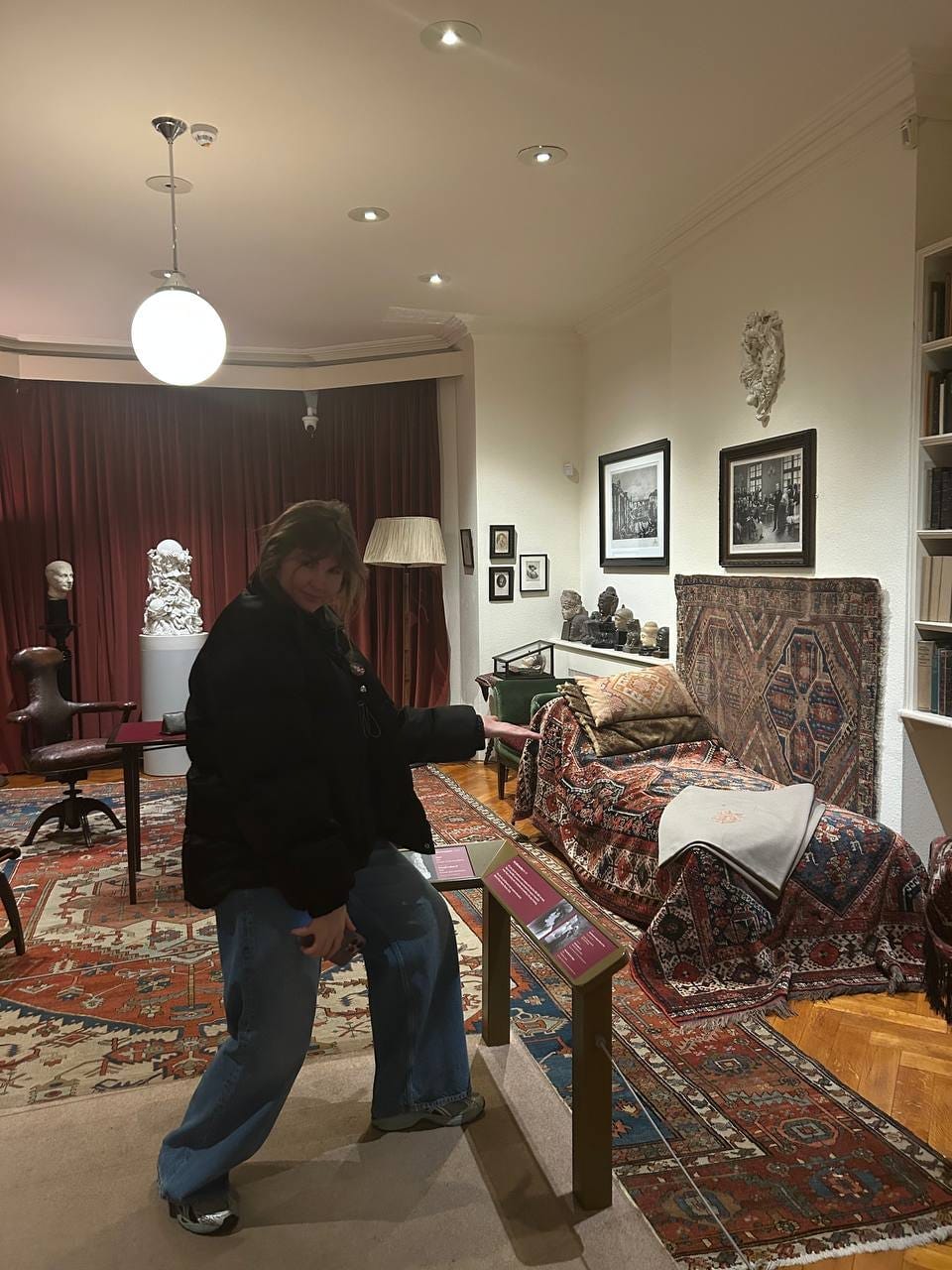
The exhibition is a mix of intimate memorabilia and historical artefacts—Freud’s iconic light green coat, his pince-nez, a wedding ring engraved with his wife’s name, and even a napkin from their wedding (a seemingly crucial relic in their family dynamics). But the real star? The couch. More than just a piece of furniture, it has transcended into a pop culture symbol. The thought of how many tears have soaked into those cushions is both awe-inspiring and a little unsettling—I’d be lying if I said I didn’t instinctively want to disinfect it.
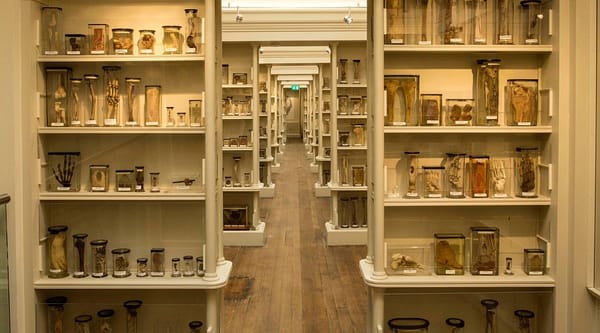
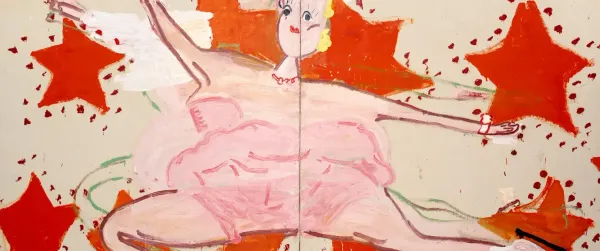
Beyond Freud’s personal belongings, the museum holds Egyptian, Greek, Roman, and Eastern antiquities, as well as a Dalí portrait of Freud and a small selection of contemporary art.
What makes this place special: You can lose yourself examining objects and wondering which ones still carry traces of sublimated desires. The merch is fantastic—from plush Freuds and Freudian slippers to phallic statuettes, chocolate cigars, and books.
And the best part? You can rent the museum for private events. If I were to throw a birthday party here, it would be the most self-aware yet deeply unsettling gathering in history. Definitely something to consider for my 30th.