Seoul reset
Notes on snacks, sterility, and soft power.
I’d been meaning to go to Seoul for a while. Partly because of its mythic status among Muscovites and Londoners—as the global capital of aesthetic awareness. One of my luxury marketing professors at Goldsmiths said, “Everyone thinks trends are born in Shoreditch, but they’ve been living in Korea for years. They’re the champions of UGC.”
No further questions. Visa-free entry, relatively affordable flights from both Moscow and the UK—and there I was, crammed into China Southern economy class, dreaming of Nudake mini croissants and making reels in Gentle Monster. My trip was planned with the principle “a store instead of a museum.” In London you go to Tate Modern, in Seoul—it’s Ader Error. Marketers say shopping is just the price you pay for an art experience. Fair enough.
The dream checklist included: hand creams with unnecessary packaging, a snack rampage at 7/11, lying in a hotel room under the glow of a K-drama, and a slightly terrifying bank app after a day in the world of conceptual capitalism.
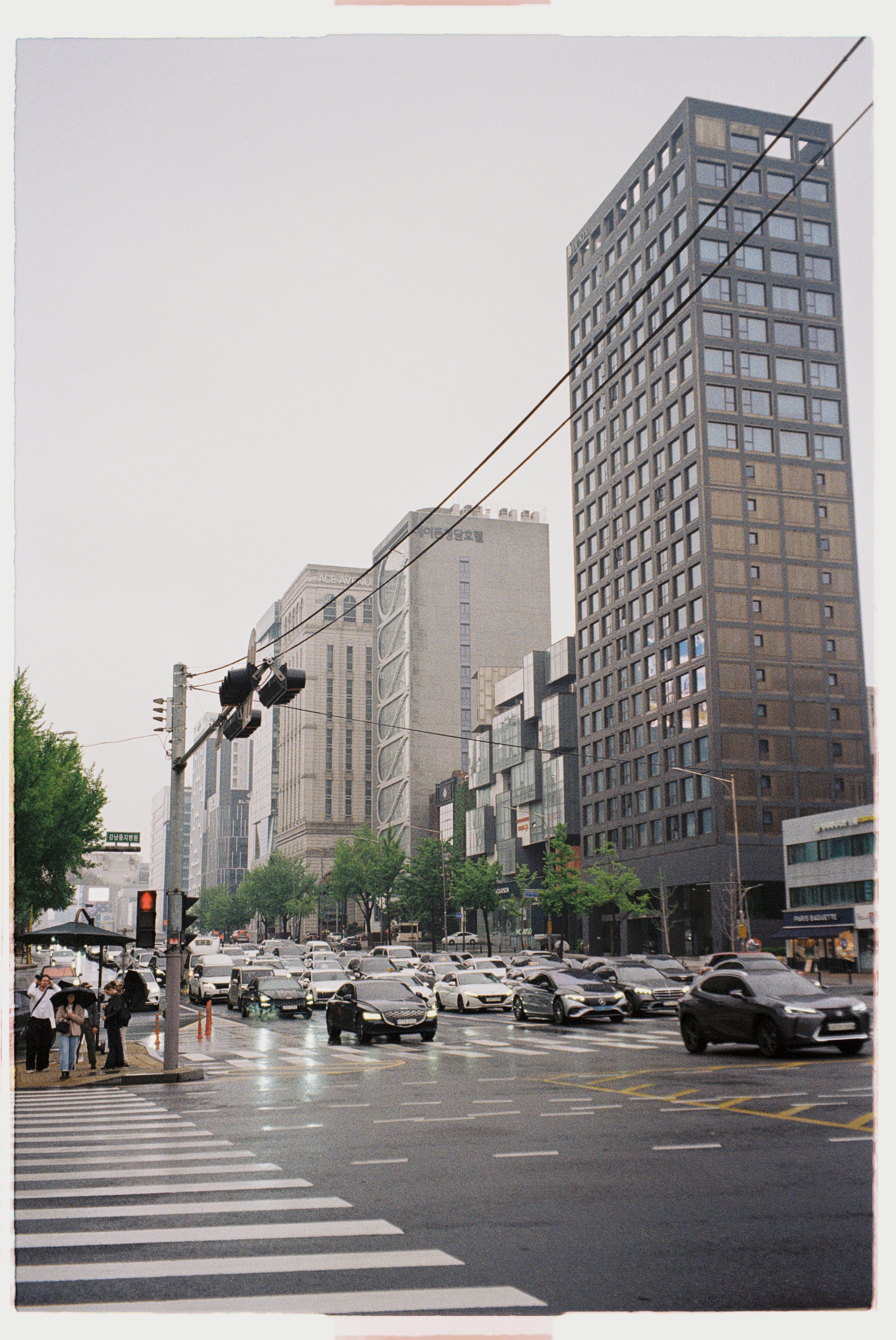
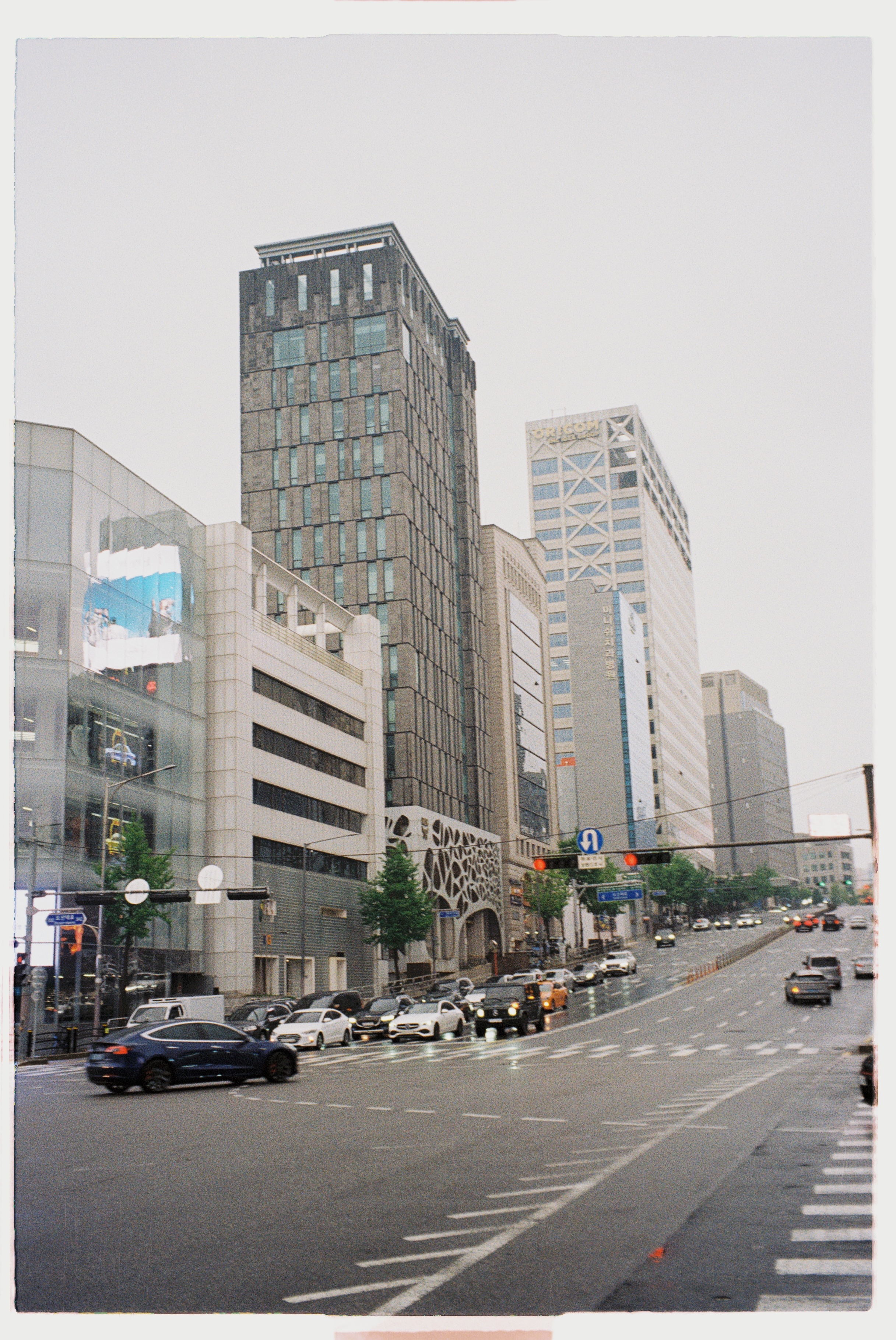
Even at the airport, I understood where Parasite and Squid Game came from. Spoiler: if you drop your suitcase on an escalator, the consequences will be shown in vivid, bloody detail. Imagination isn’t left to chance. Subway cars are twice the width of the European ones. The first word that came to mind above ground? Sterile. Also: Google Maps and Apple Pay don’t really work here. But who cares.
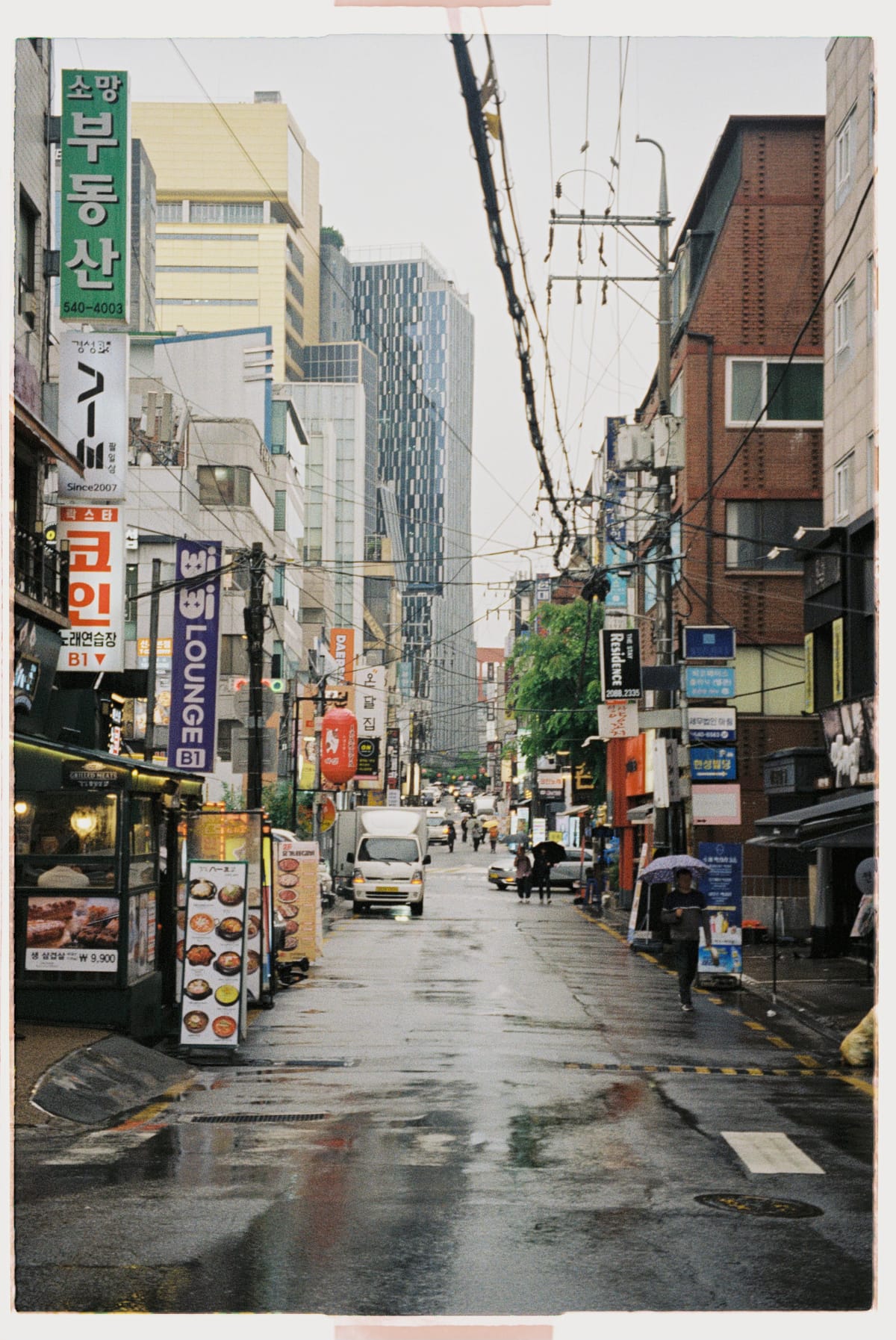
For me, the first thing is always to feel the city—go off-script, get lost, take a wrong turn, and see what breathes underneath. Then comes the curated program of art, cafés, and Korean BBQ. But first: Myeongdong in all its chaos. Street food sizzling in oil, EDM colliding with K-pop, sheet masks on sale, and endless shops filled with highlighter-colored weirdness. You don’t lose money here because someone steals it—you hand it over willingly, for a charm or a photogenic dessert.
Koreans are masters of cultural policy. They’ve turned pop culture into an export strategy: K-pop, skincare, fashion, even urban design. It’s not a trend—it’s national strategy. In their flagship attraction—cosmetics temple Olive & Young—I had a full-blown panic attack, and still walked out with my fifth lip gloss. I’m convinced that the true secret of Korean skin isn’t snail slime, but kimchi three times a day and skipping breakfast (to make more room for pork belly at night). Also: 600+ aesthetic clinics in one city.
On food: fermentation, tea, soups, and meat. Lots of beef, pork, seafood, noodles, rice, pancakes, and kimchi. Tteokbokki, bibimbap, hotteok. Rice wine, soju, blood sausage, live octopus, hot pots, and jujube tea with Chinese red dates. Breakfast? A Western luxury. Maybe a gooey egg from a kombini if you’re lucky. A Starbucks cup here is a status symbol—just like Moscow in 2014. Tables are often for one, orders are placed and paid for through a screen. Fried chicken is a religion. So is salted bread. Yes, there are queues for bread that isn’t sweet. Who knew.
Also: Korean men are romantic. Clean-cut guys walk hand-in-hand with their girlfriends, wear beige trousers, and take photos of their partners next to lotus lattes. By day three, you start wanting a Korean boyfriend to share desserts and make matching bracelets with.
Koreans don’t cross on red, even if the signal takes forever. There are special apps and signs for “foreigners or disabled.” The difference between us and them is felt sharply. Social issues, suicides, impeachments—none of this is visible to a tourist like me. Nor are trash bins, or regular grocery stores. The advice “avoid touristy places” doesn’t always apply. Tourism exists for a reason. It gives you as much as you’re willing to take in.
Everything beeps, flashes, persuades, and self-frames. Advertising becomes part of the architecture. After Seoul, you crave a sensory deprivation chamber. And then, of course, you want to go right back.
I haven’t photographed everything yet.