What ANTM's new documentary actually reveals about media accountability
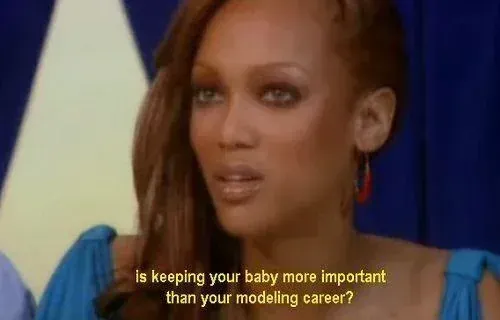
A new Netflix documentary about the iconic reality show is out — and it holds nothing back. Bullying, Tyra's meltdowns, contestants in tears recounting forced makeovers, questionable photoshoots (a model in a salad. In front of homeless people. Models with their skin painted to "change their nationality"). Visits to the dentist as part of a "transformation." Sexual assault allegations. The illusion of inclusivity with no real success stories to back it up.
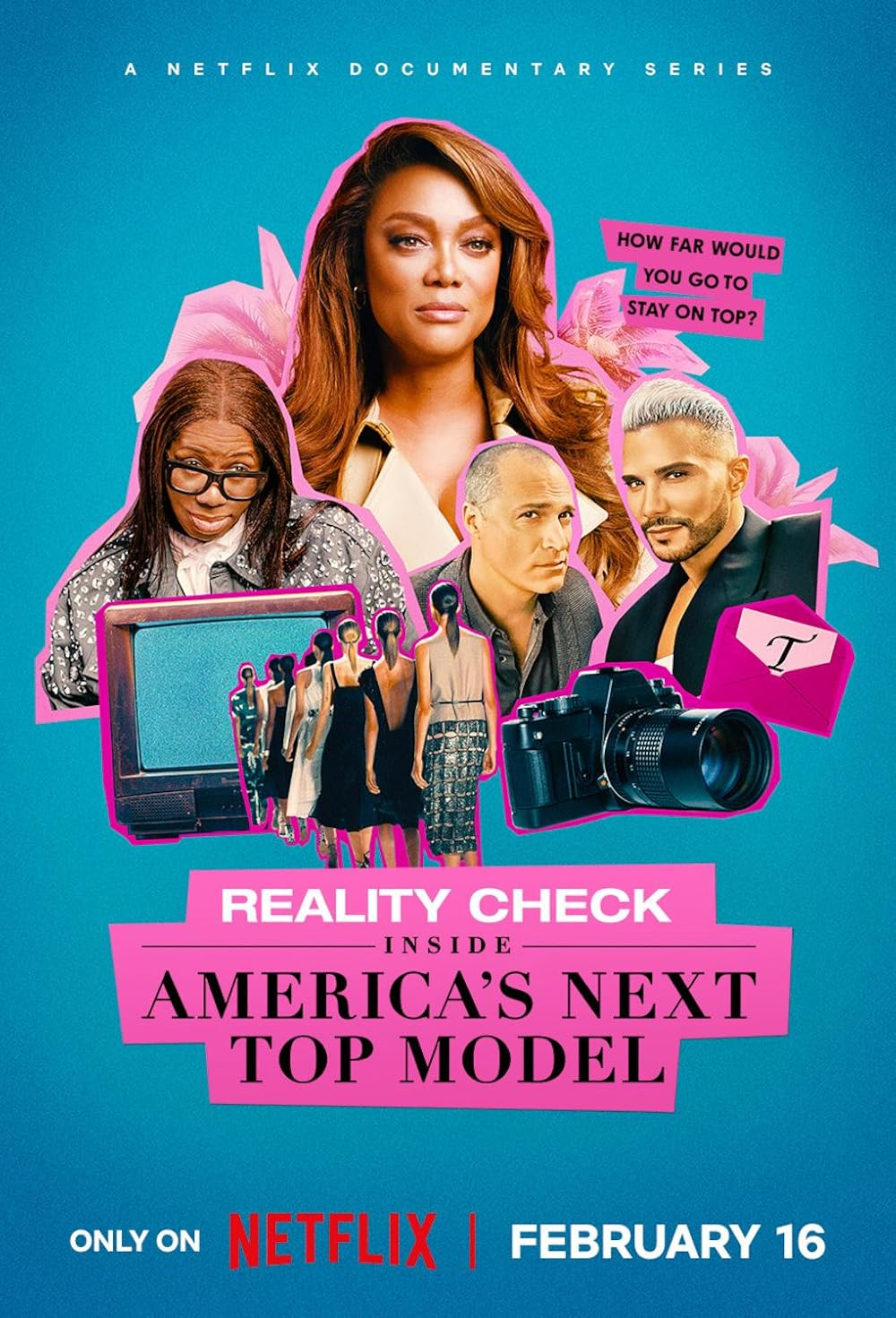
The show's defense? Gen Z had nothing to do during COVID, found old episodes on TikTok, and started calling out the toxicity. The producers' response: that's just how the industry was in the 2000s. Hard to argue with that. But it's also hard to call it an excuse.
What strikes me most as a media professional: at the time, this was considered aspirational content. It shaped how millions of people understood ambition, beauty, and what women had to endure to "make it." Brands sponsored it. Advertisers loved it. We all watched.
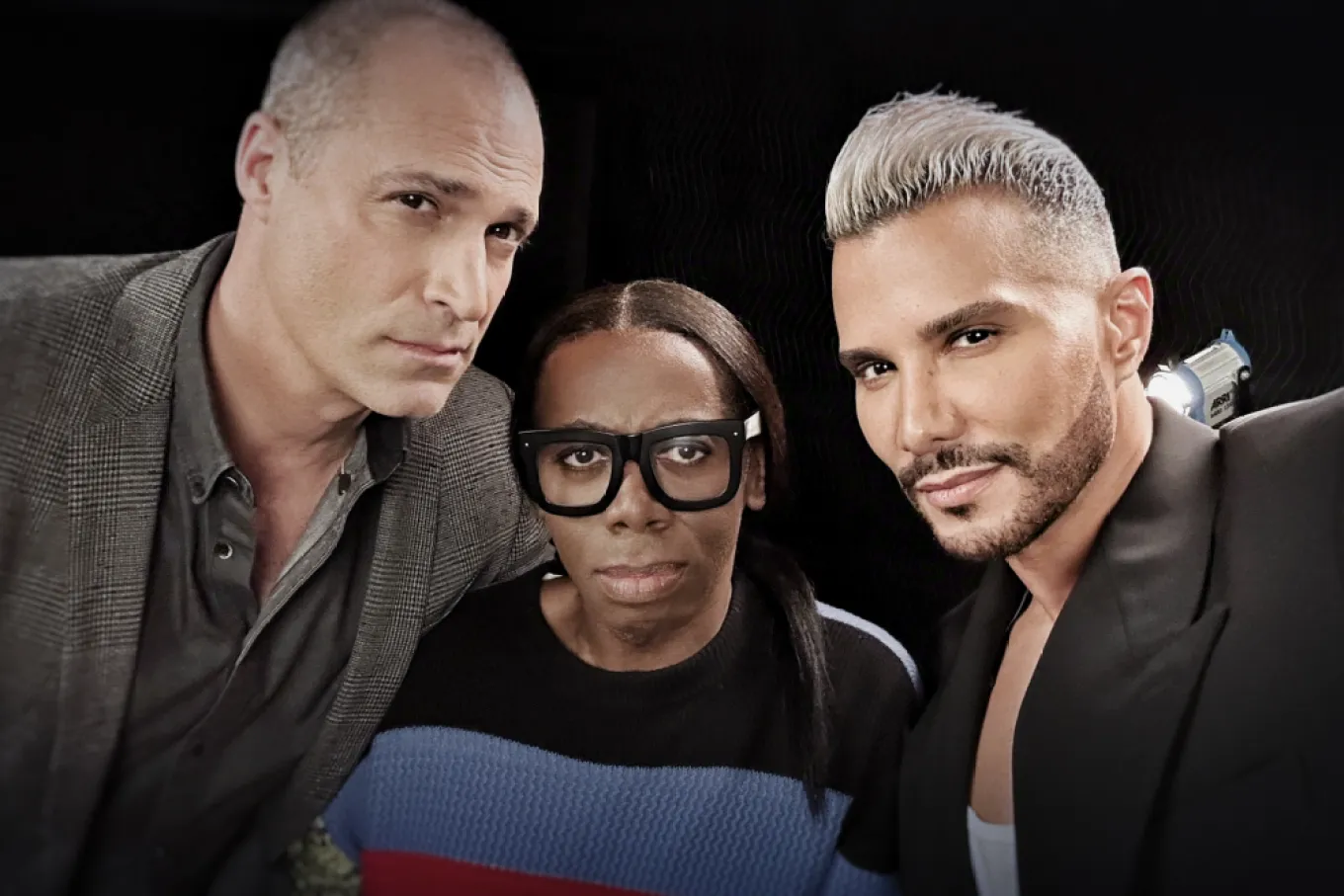
The lesson isn't that Tyra Banks was uniquely terrible. It's that entire systems — production, legal, editorial, advertising — signed off on this, week after week, for 24 seasons.
P.S. David Bowie apparently watched the show. We hope he at least smiled.
P.P.S. Hannah Montana is coming back. Hilary Duff is going on tour. Tokio Hotel too. We are officially back in the 2000s — let's just make sure we leave some things behind.