What Instagram Doesn’t Tell You About Egypt
The pyramids are real. So is the hustle.
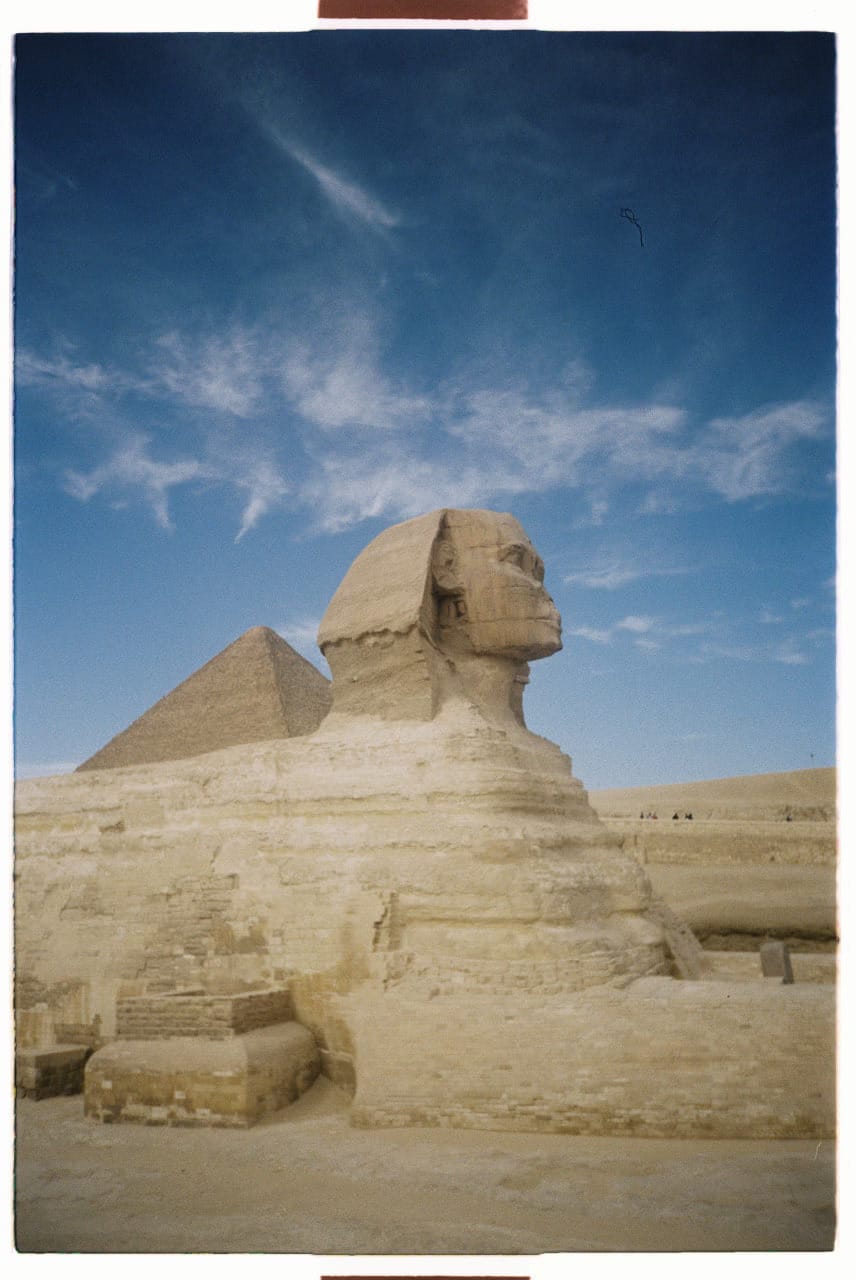
I thought for a long time about whether to publish this text as it is, especially after posting beautiful photos on social networks and getting messages like, “But your pictures are so gorgeous, I want to go to Egypt too.” A warning: my opinion is biased and blurred by a heroic amount of emergency gut medicine and a noticeably thinner wallet. I know your view may not align with mine, but perhaps this will help someone plan their trip.
I bought a ticket to Egypt right after watching a video about the opening of the Grand Egyptian Museum. Only later did I find out that it had actually been open for a long time — not since the day I joined 18,000 other tourists to see Tutankhamun’s mask. When people say Reels don’t sell anything anymore, they’re lying. I was sold cultural tourism and a direct flight, both from Moscow and from London. Of course, I was also drawn in by the romance from school history textbooks with monumental architecture and sleepy golden sands.
I visited Egypt frequently as a child, and I was left with hazy memories of mango juice, pyramids in the distance, and a turquoise coast lined with corals and colourful fish. The memories weren’t nostalgic, though, so I had to rediscover the country as an adult. We chose a route not for the faint-hearted: Cairo – Giza – Luxor – Sharm.
Cairo is the sound of endless honking. Here, access to silence is a real luxury. In the morning, on the way to a flat white (sorry, I don’t like Arabic coffee variations with sand in the cup), even in the diplomats’ neighbourhood of Zamalek you’ll walk past armed guards and children asking for food. The fantasy of an “Arabian night” quickly turns into fighting off persistent hustlers. To be fair, though, most of them speak four languages on average, and in flawless English they’ll offer you everything from coffee to taxis, from tours to souvenirs.
An average tourist after Sharm or Hurghada will find Cairo hard to handle. In Giza, for example, I walked down a street where not a single man didn’t talk to me:
“Souvenirs? Coffee? Where are you from! My favorite country, my uncle lived there. Maybe a sandwich? A tour? A taxi? Or just give me some money already.”
Very quickly you get exhausted from the endless bargaining and the constant need to defend your boundaries.
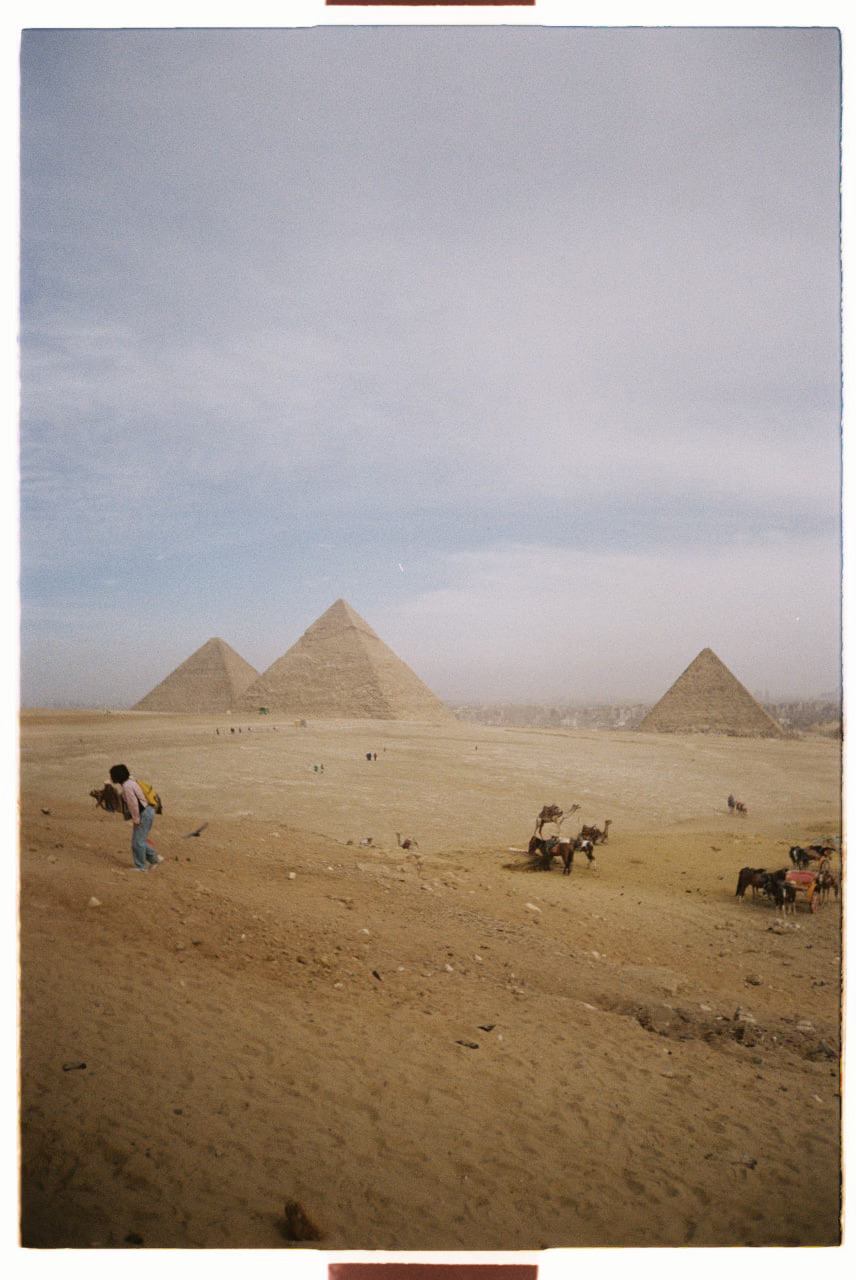
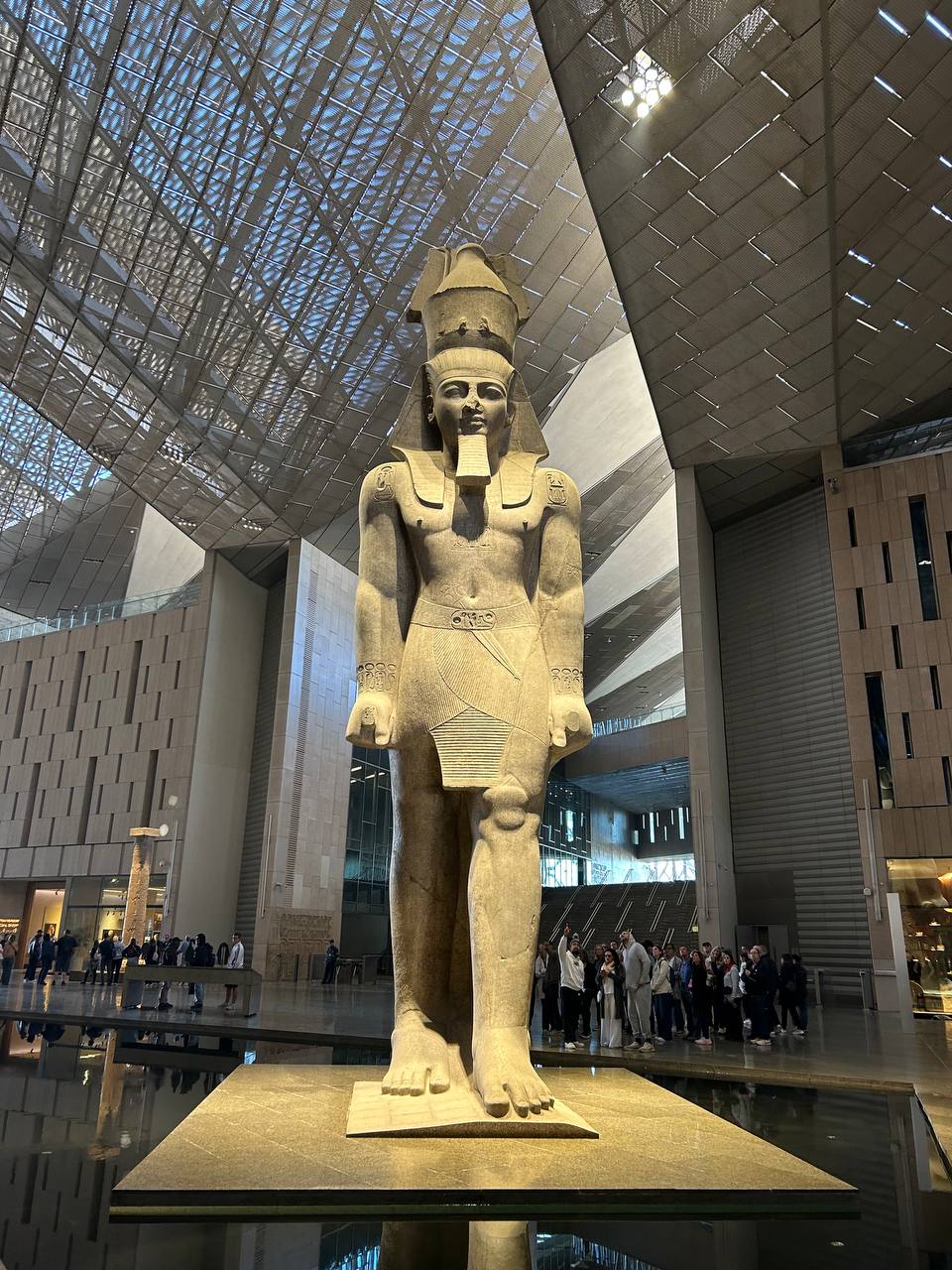
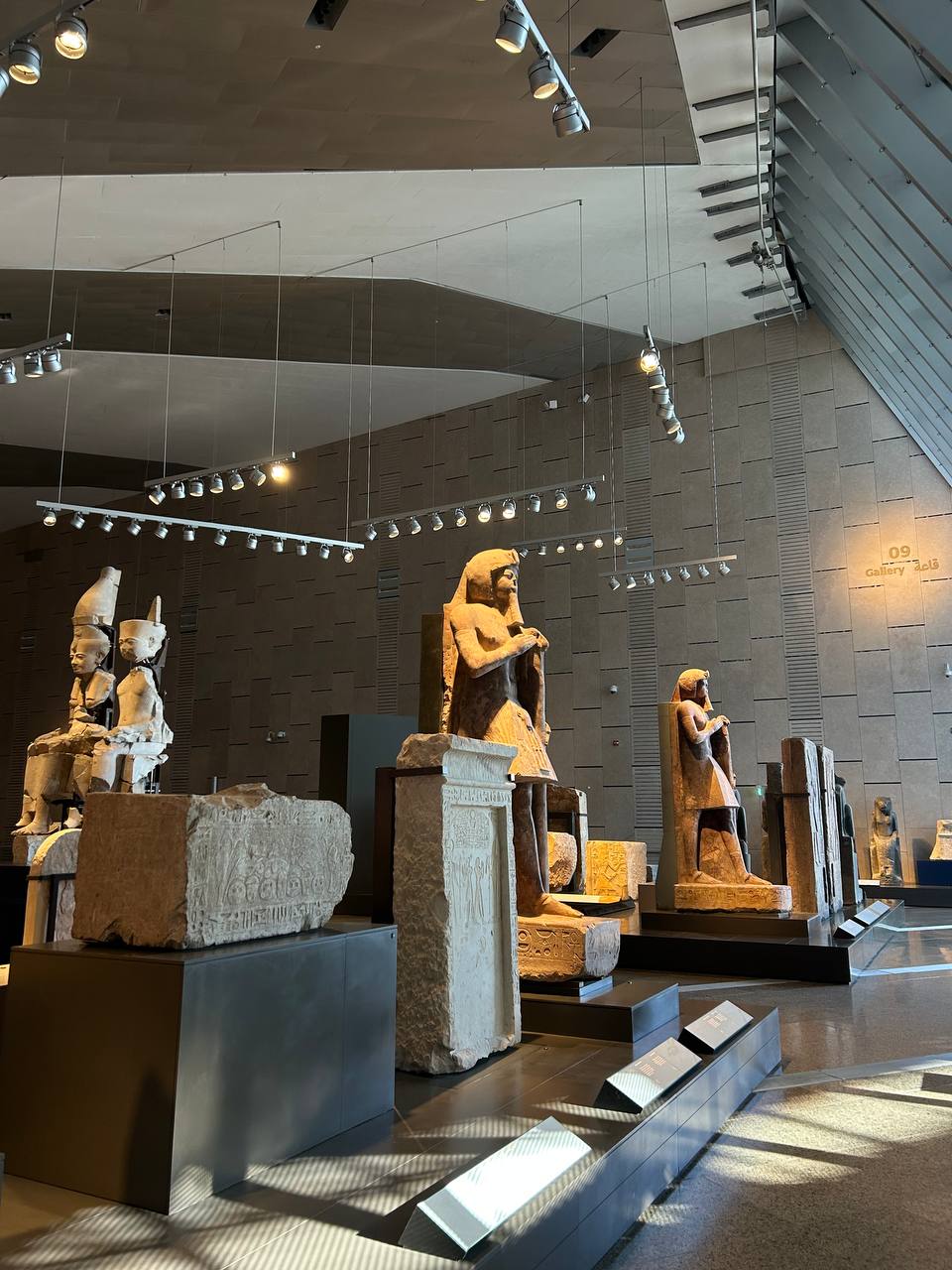
.The museum, however, is absolutely magnificent. The scale is genuinely staggering — it’s about the size of an Amazon warehouse. I can’t even imagine how much it costs to maintain something like that. Yes, there’s the whole issue of cultural heritage and where it belongs, and many Egyptians are unhappy that so many objects were taken from their original locations. You can argue about ethics and whether an economy built on tourism is worth it, but the fact remains: the exhibits were gathered from all over the country. Egypt is basically one huge archaeological site, and we’ll be seeing a lot more discoveries in the years to come.
Inside the museum there’s a whole ecosystem — from Starbucks to a clinic. Tours are available in every language imaginable, from Russian to Japanese. It has its own “Mona Lisa” in the form of Tutankhamun’s mask, with a queue of people waiting to take photos, and a museum shop with genuinely non-banal souvenirs.
It’s a shame that a country with such extraordinary achievements of human thought is surrounded by such infrastructure. This isn’t new — even Agatha Christie, in Death on the Nile, wrote about the Egyptians’ persistence. It’s clear the country is turning toward tourism. Yes, there are now two and a half decent restaurants (where they still serve pigeon and a chaotic mix called koshari), and there’s massive construction of five-star hotels, but the country and its people are not quite ready for it yet.
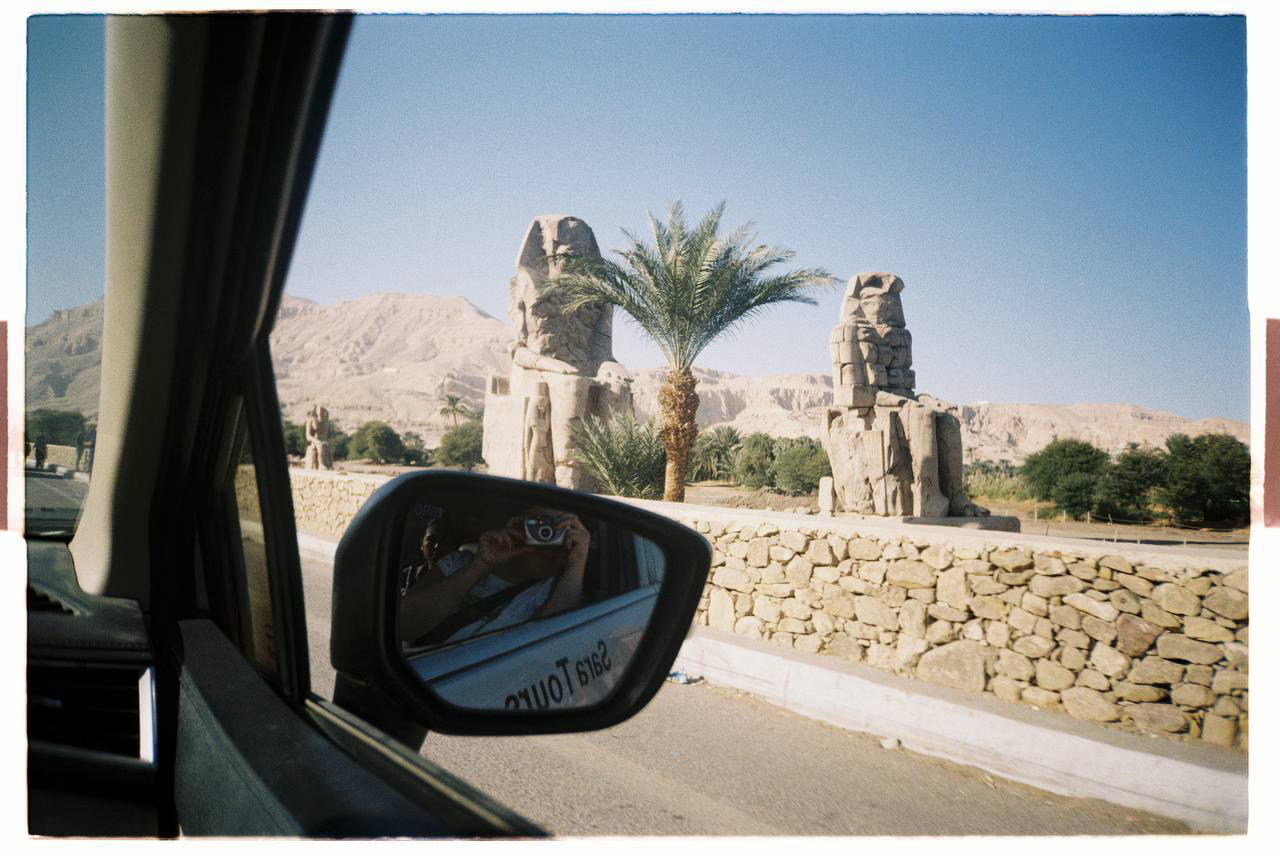
Things I wish I’d known before going to Egypt:
— Whenever possible, pretend to be blind and deaf.
— If it seems cheap because the flights are convenient and the Airbnbs look pretty and affordable don’t be fooled. You’ll end up spending much more than planned. Bring cash.
— Taxi prices are often unofficial. Always agree on the price before the ride, even if you use Uber. If a driver says the car can’t enter the airport area, don’t fall for it either. I saw people dropped in the middle of the road and asked for another baksheesh.
— On average, almost any price can be negotiated down by three times.
— Time works differently here too — “Egyptian time.” Except when it comes to your checkout.
— Buy earplugs. Your ears will still be ringing long after.
— Don’t hire a guide for the pyramids. Watch any documentary and go on your own. Last year they finally built proper infrastructure: you can move around the whole site by shuttle buses included in the ticket price and drink coffee with a view, without being tied to a guide who will charge $200 to say something like, “Well… these are the pyramids. We don’t really know who built them or why, but my guy with a camel is right here, best price, habibi!”
— Find a guide through friends. In Luxor, for example, you really need one if you want to see both the East and West Banks properly.
— If you get a notification saying your flight is delayed or rescheduled, don’t take it at face value. Overbooking is constant in Egypt, especially from resort cities. Always double-check. And if airport staff start intimidating you and offering to “escort” you for money, don’t fall for that either.
— Bring medicine. The food is bad, and kebabs and falafel will mess you up surprisingly fast. I’d love to be wrong, but I didn’t manage to eat well even once. And don’t be cheap with travel insurance.
— Go to the museum in the morning — it gets packed later.
Conclusion:
Go with cash and steady nerves. Are the pyramids, Luxor, and the museum worth it? Absolutely. Once.
Educational videos with Egyptologists:
English:
Russian (long interview):
Rewatch The Mummy.