Why PR people should learn from Rachel (The Traitors UK)
So why should PR specialists take notes from Rachel?
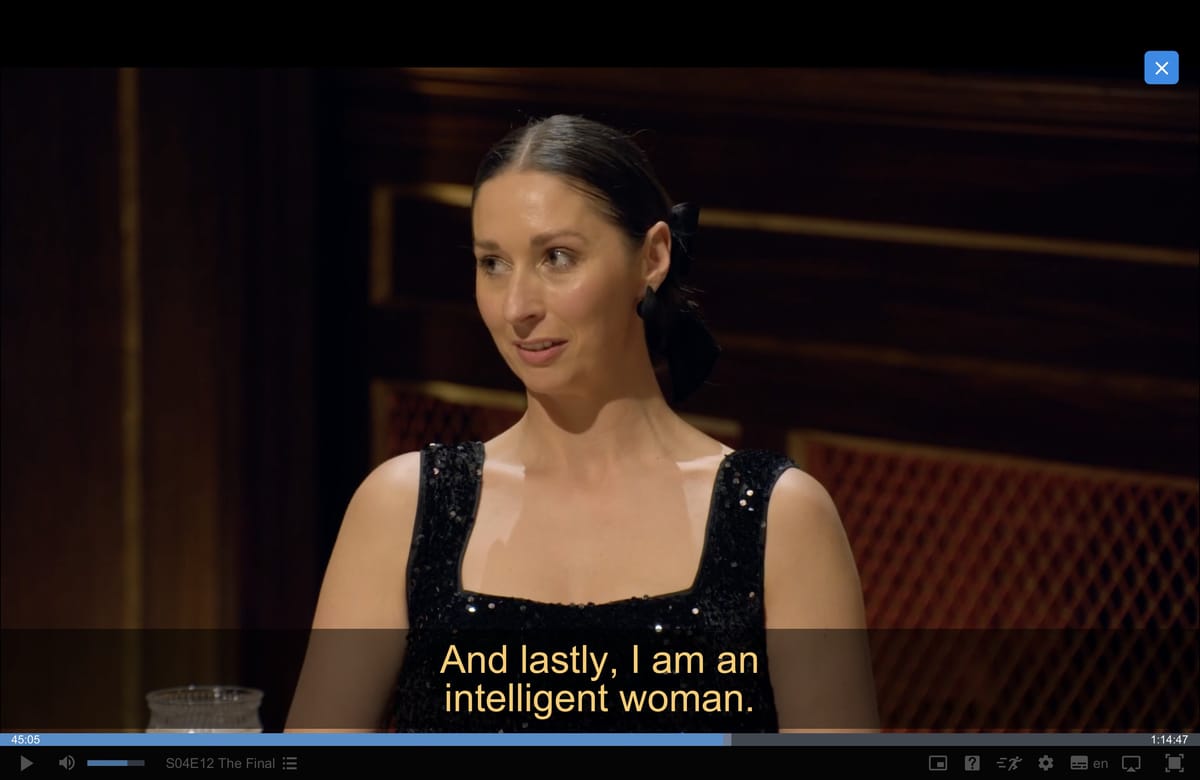
My British TV obsession continues, and I’m officially addicted to The Traitors UK. Wednesday, Thursday and Friday have quietly turned into small holidays: I turn on BBC IPlayer and watch what’s happening in the castle live, as if it were a national psychological sports event.
What makes this show especially valuable to me is that these are real people from gardeners to personal trainers. It is inclusive in a very particular way — there’s even a running joke that the straight-to-gay ratio makes it feel less like a traditional reality cast and more like an audition for RuPaul. (A genuine great moment of television, by the way, was when Amanda casually mentioned she was a lesbian ). The moment when the contestants start slowly losing their shit and cry — not because the script demands it, but because pressure does — is genuinely making my heart race. It’s one of the most tightly edited, well-thought-through psychological shows I’ve seen in a long time. If you haven’t watched it yet, I honestly recommend it. I’ll try to stay spoiler-free, though I hope you’ve already seen the finale.
Today, I want to talk about Rachel. My muse, my hero. And about why PR specialists should absolutely be studying her game. So if you’re wondering what all the hype is about, it’s not just the castle or the cloak. It’s about watching someone whose day job is literally crafting narratives flex those skills in one of the most intense social experiments on TV right now.
Why Rachel? Because Rachel (aka Head of Communications) plays exactly the way a strong communications professional works in real life: quietly, consistently, and with a deep understanding of people.
First, and maybe most importantly: she delivered.
Rachel was exactly who she said she would be. What she promised Stephen, she carried through until the end. And for a show built entirely on lies, manipulation and deception, this becomes one of the most beautiful human moments of the season. The traitors lied to everyone: strategically, convincingly, constantly. But at some point it became clear that the real line wasn’t about lying to others, but about not lying to yourself and the people you commit to. For anyone working in PR, this is almost a manifesto. Also, good lesson how important it is to work as a team. That’s not just loyalty, that’s consistency under pressure, which is something we never teach enough in PR (even though it’s half the job).Second: she communicated herself clearly.
Every time Rachel was called to the round table (often in uncomfortable, hostile situations) she didn’t panic. She didn’t over-explain, she didn’t become defensive, she didn’t spiral. She held her position calmly and precisely. She controlled the narrative, adapted, and came back on her own terms. Her ability to speak under pressure is not accidental; it’s professional muscle memory.Third: how she packaged information.
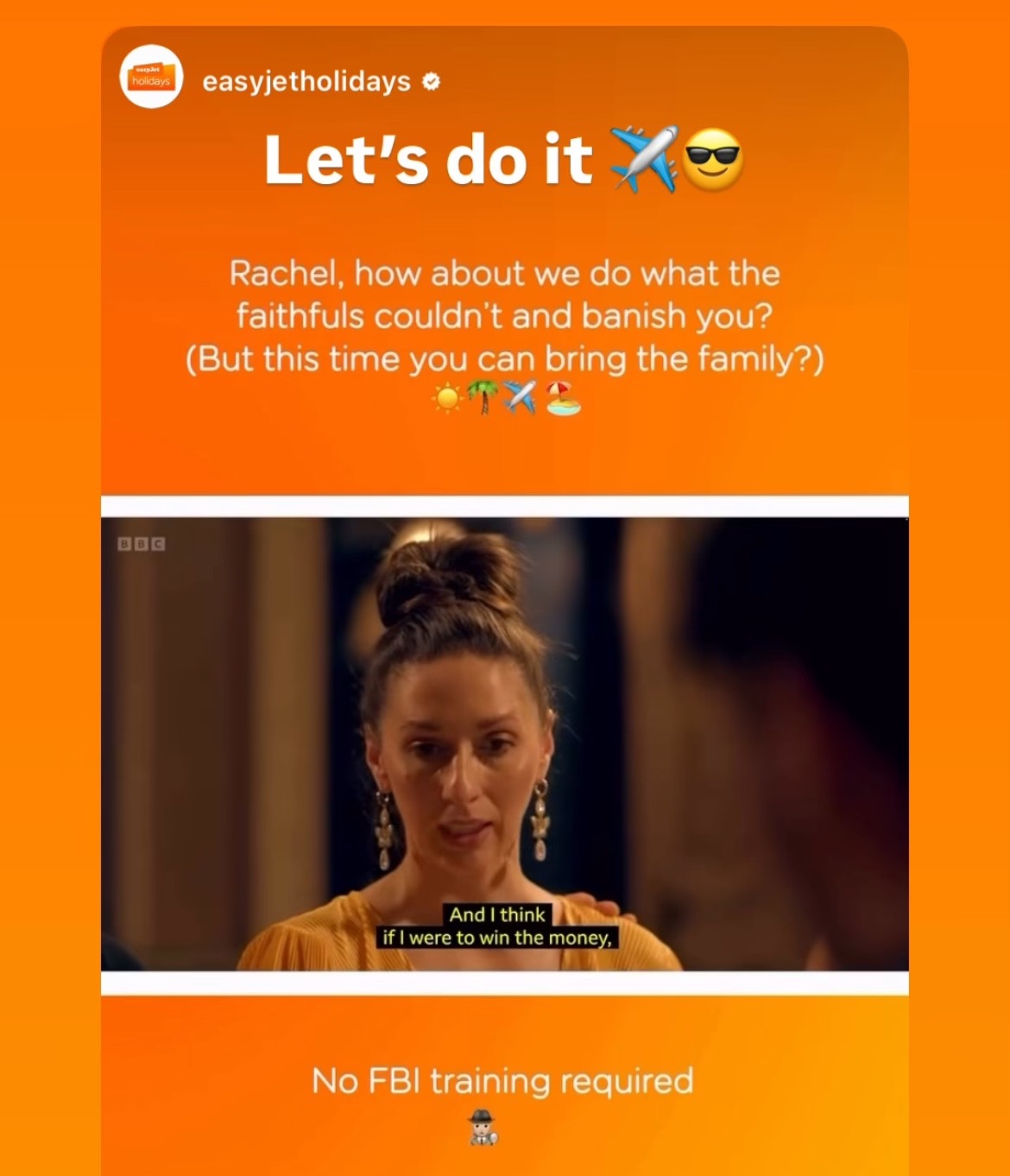
One of my favourite moments is the “FBI training” lore. Later, we learn on Unclocked that it was “online lecture and an ebook”. And that’s exactly the point. She didn’t lie. She framed the truth in a way that worked. This is a core PR skill that’s often misunderstood: not inventing stories, but presenting reality in the most effective possible frame.Fourth: people-reading and competitor management.
What she did with Fiona — and how she turned that situation in her favour — is a masterclass. Brands and agencies could learn a lot here about how to deal with competition without burning the room down. And yes, she read people better than most. The show isn’t scripted and BBC even clarified that none of the dramatic interactions were producer-engineered.Fifth: SHE IS A BADASS.
Rachel wasn’t afraid to make bold moves. Not chaotic ones but confident, well-timed decisions. She didn’t apologize for ambition. That’s emotional intelligence and it’s a killer PR skill.And finally: the art of distraction.
Rachel understood attention better than anyone else in the room. She knew when to redirect it, when to shift focus, when to let someone else take the heat. Attention is the most limited resource in any space, and managing it is one of the core currencies of communications.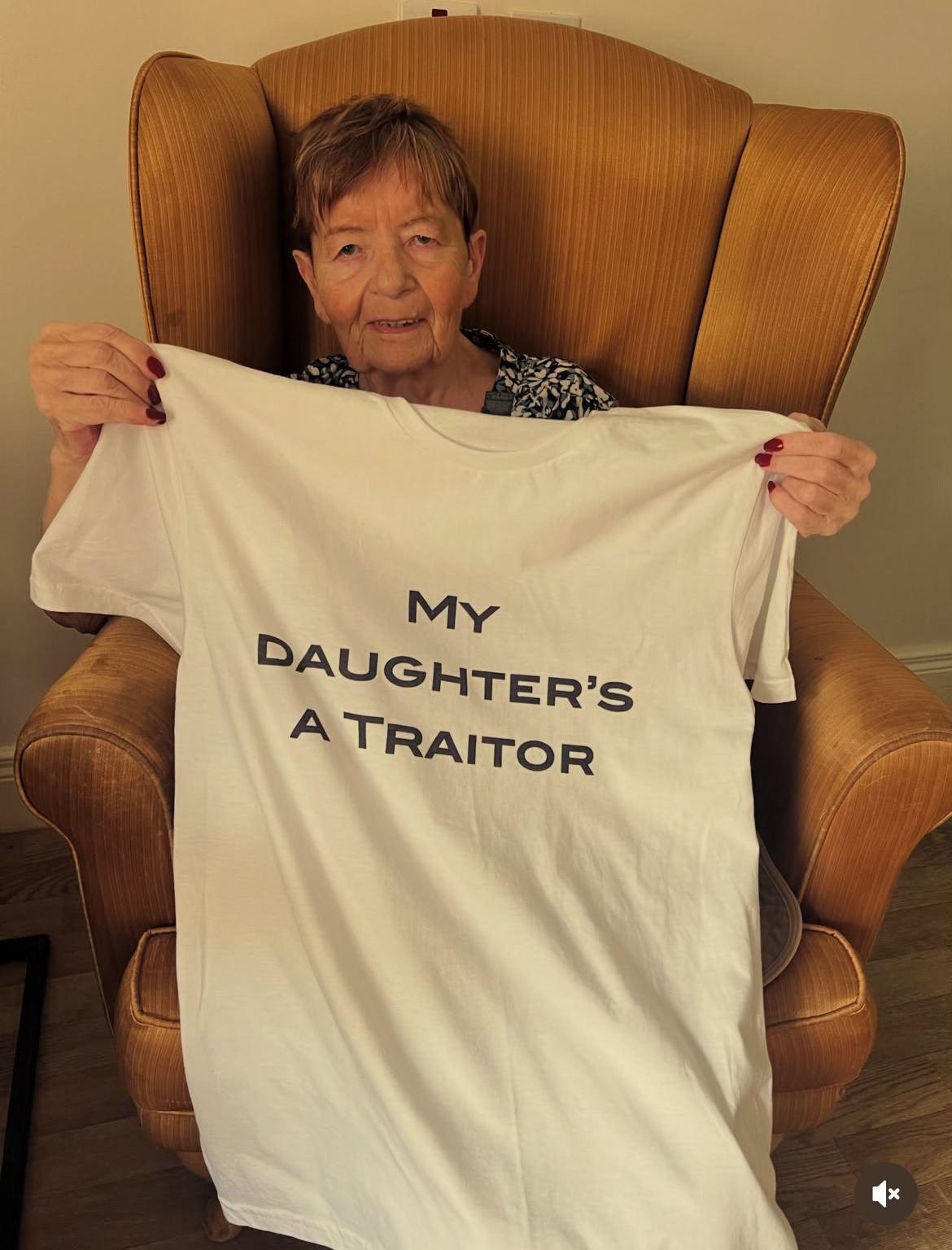
In the end, The Traitors accidentally became a show not just about deception, but about how communication, loyalty, framing and timing actually work under pressure. And Rachel — quietly and consistently — turned out to be one of the strongest examples of that.
If you work in PR, communications or brand strategy, she’s worth watching closely.
And me, I will catch you next week with something slightly less dramatic.
P.S. If you are a brand, work with her ASAP. Not only for Communications but as an influencer. This is an example what EasyJet did: