From vagina shows to Anselm Kiefer: Bangkok's new museum changes everything

You land and something happens to your brain. The air, the sweet mangoes, the smiles — Thais are genuinely, almost aggressively happy and you don’t know what to do with that at first. Durian wafts through every street market (banned in hotels, causes actual wars of opinion). You’re navigating between dub-step blasting from a bar and a tom yam stall and a kathoey in platform heels looking better than everyone around her. Bangkok is a megacity — Chinese investment money, glassy towers, elevated highways — but somehow green and clean. Somehow not visually suffocating the way Seoul is. It breathes. It still has Chinatown, the largest outside of mainland China, run by Chinese-Chinese who hold the whole economy together. Portraits of the king everywhere. Men with guns. Red Fanta on spirit altars — and that’s actually genius marketing, that’s religion-as-branding done right.
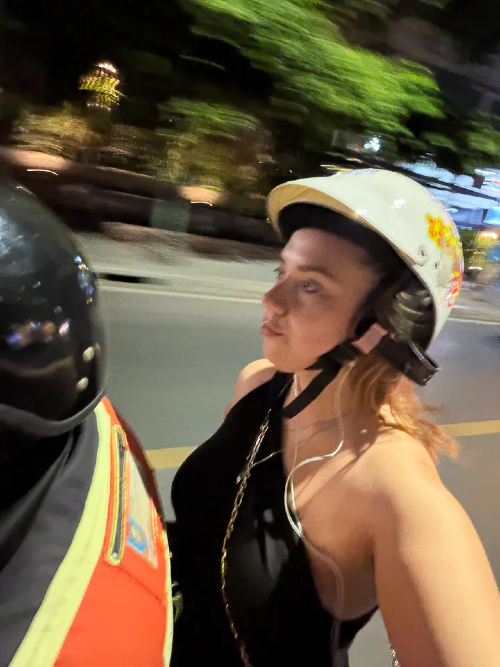
Sports courts on top of cemeteries. Urinals inside coffee shops. Golden Buddha that weighs five tonnes. Night markets where you can smash a wall with a baseball bat, watch a live squid get dropped into a shot glass, see a crocodile from two feet away. You ride through the city at night on a grab bike with headphones in, racing your friends, the city blurring past, and you feel like you are in Hangover Part 2.
The Ping Pong (if you know you know)) shows I won’t describe here but they exist and they are exactly what you’ve heard. Tom boys and tom yam. The full spectrum, open, unapologetic, here.
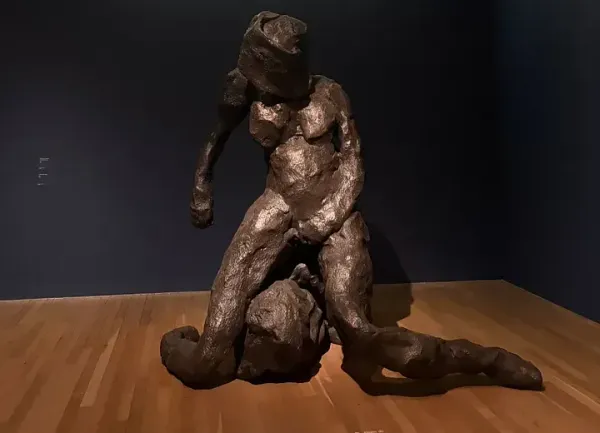
Then there’s the other Bangkok. The one with Apichatpong Weerasethakul, Thailand’s cinematic legend who shoots dreams like documents. The one where you stand in front of a Hiroshi Sugimoto cinema photograph and a Rebecca Horn bed and an enormous Anselm Kiefer and a Ugo Rondinone and think — wait, where am I. In a museum? In Bangkok? Yes. Both.
And now there’s Dib.
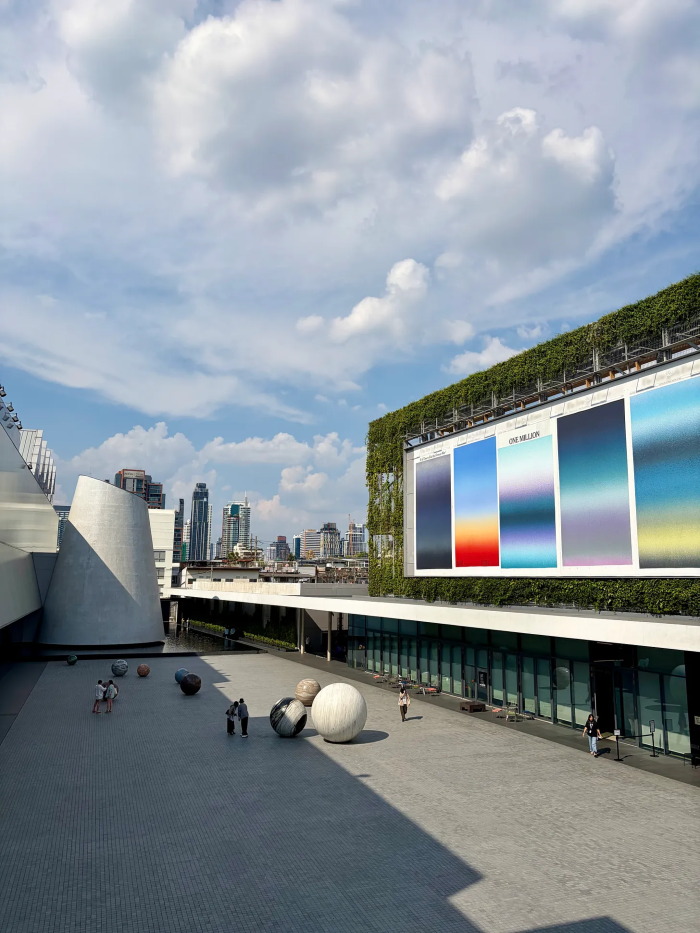
Dib Bangkok is an almost mythical contemporary art museum that had been talked about for 30 years. It was a lifelong dream of the late collector Petch Osathanugrah — best known to the Thai public as a singer-songwriter whose 1987 hit “I’m Just a Man, Not a Wizard” became a megahit, but also a serious businessman whose family runs the Osotspa consumer goods conglomerate and Bangkok University. He began collecting in the late ‘80s and for three decades planned to build a private museum to share it with the public — until his untimely death in 2023. His son Purat “Chang” Osathanugrah picked up the torch and brought the dream to fruition.
The name itself is a statement. “Dib” means “raw” or “natural, authentic state” in Thai. Raw.
The museum is housed in a 1980s warehouse renovated by WHY Architecture and crowned with a sawtooth roof — 71,000 square feet of repurposed industrial space in the Khlong Toei district near the port. The architect is Kulapat Yantrasast — a former student of Tadao Ando, now based in LA, whose portfolio includes the Michael C. Rockefeller Wing at the Met and the Speed Art Museum in Louisville. For Yantrasast, this project carries personal weight: most of his work sits in foreign countries, and Dib Bangkok is his first major public project in Thailand — a long-overdue homecoming.
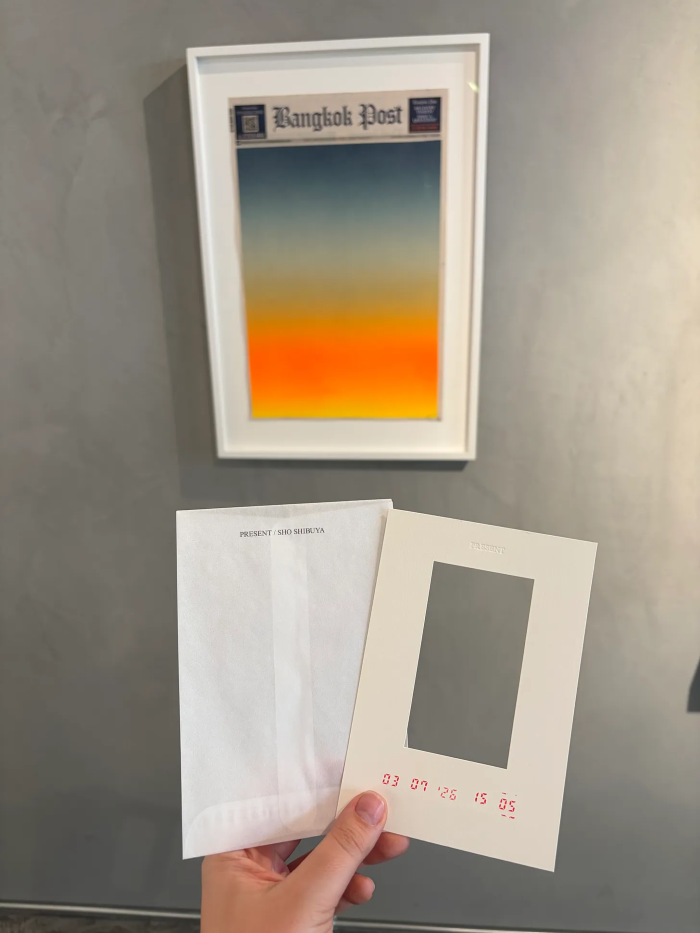
The layout spans 11 galleries, an outdoor sculpture garden, and intimate black-box spaces across three floors. Preserved Thai-Chinese window grilles contrast with a striking conical mosaic-tiled “Chapel” gallery — an acoustically-engineered space built for sound-based installations and live performances. Shadows shift with the sun throughout the day. The architecture doesn’t just house the art — it argues with it.
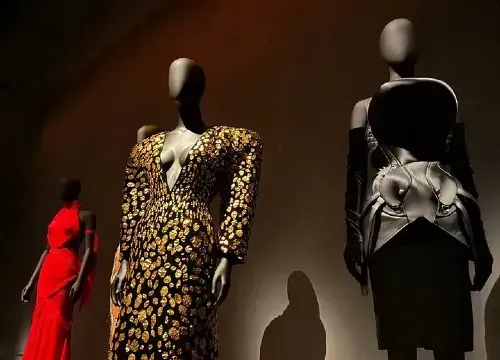
The collection comprises over 1,000 works by more than 200 artists spanning from the 1990s to today. Thai artists — Montien Boonma, Rirkrit Tiravanija, Pinaree Sanpitak — shown in equal conversation with global names. Kiefer. Lee Bul. Alicja Kwade. Subodh Gupta. Hiroshi Sugimoto. James Turrell, one of the only permanent installations in the building. The opening show, (In)visible Presence, brings together 81 works by 40 artists.
Montien Boonma’s legacy takes over the third floor — many works focused on the passing of his wife from cancer, creating some of the show’s most cohesive and moving moments. You go up there and the noise of the ground floor falls away completely.
One detail I can’t stop thinking about: chips and drinks sold directly on the exhibition floor. Ticket price = a full dinner for two at a Thai restaurant. Time will tell whether Dib becomes what it wants to be — genuinely accessible, genuinely rigorous.
Bangkok just became a different kind of destination.