Schiaparelli: Fashion Becomes Art is at the V&A
The first-ever Schiaparelli exhibition in the UK just opened and the corsets alone are worth the trip.
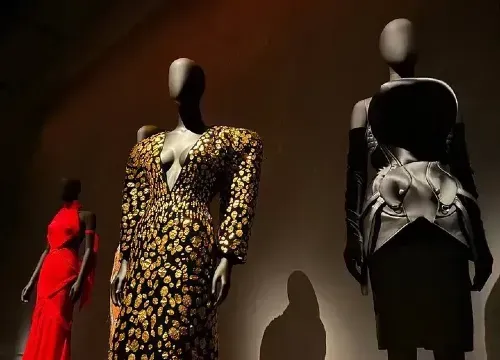
Wednesday morning, I put on every piece of jewellery I own and went to the V&A with well-dressed people to see Schiaparelli: Fashion Becomes Art. Over 400 objects, 100 ensembles, 50 artworks, curated by Sonnet Stanfill, Lydia Caston and Rosalind McKever. For the first time in the UK.
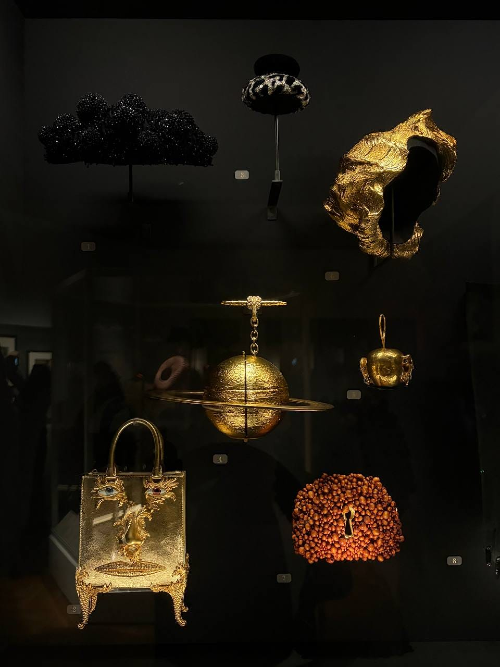
Elsa made costume jewellery legitimate. Before her, society women competed in the size of their real stones. She made necklaces from aspirin tablets, plastic and real insects, candy. So wearing everything felt correct.
So, the 1938 Skeleton dress with Dali (the only surviving example, permanent V&A collection) in person, greeting us, as long as the viral lung-gold-tree dress that Bella Hadid wore. The surrealism starts.
Elsa was ungovernable from the start. Her mother told her she was ugly (unlike her older sister), so she planted daisy seeds in her ears, mouth and nose, hoping to grow prettier. Later jumped off the second floor with an umbrella. Tried to walk on water. A doctor was called to cure her imagination. it didn't work. She arrived in Paris broke, abandoned by her husband, who left her for Isadora Duncan while she was pregnant, surviving nine months in cheap hotels on oysters and vanilla ice cream — all she could afford.
She started as a sportswear and swimwear designer. Yes, this is her who we should thank for two-piece swimsuit! The woman who would soon go on to make a lobster dress and a shoe-shaped hat started with practical knitwear for active women. The original blockbuster bow-knit sweater from 1927 is here, and she gave it to the V&A herself. Once knitted by an Armenian friend, Elsa became so popular that within weeks she had an order for twenty. By 1934, a boutique on Place Vendôme, the first prêt-à-porter before anyone called it that. Fun fact: when she'd been knocking on atelier doors before, they told her she'd be better off growing potatoes than making dresses. We are definitely glad she didn’t become a farmer, and now we can admire all the embroidery and buttons she created.
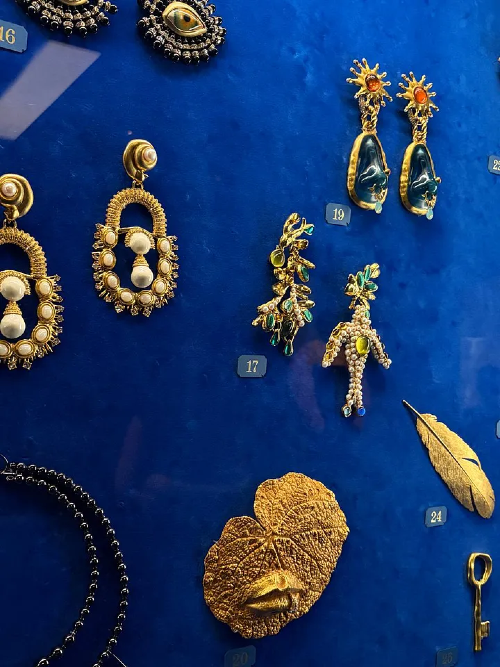
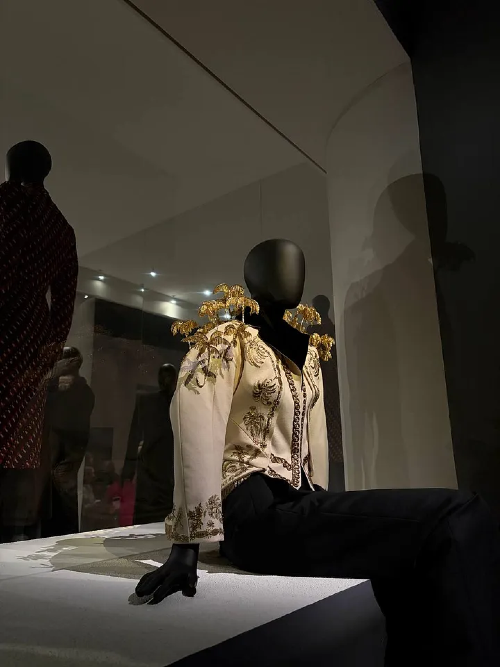
Her connection with surrealists was also widely represented. For example, she met Dalí at the premiere of Un Chien Andalou. "You dress in the style of my paintings," he said. "No, you paint in the style of my dresses," she replied. The first artist-designer collaboration in history, before it became a marketing strategy. Dalí's Lobster Telephone sits in a vitrine, and the dress that inspired it is right there. Nearby, Cocteau jacket: two female profiles in gold thread forming a vase of roses. Picasso, Man Ray, Giacometti, Meret Oppenheim — the whole constellation is here, artworks in direct dialogue with the garments. 50 artworks total, which makes this as much an art show as a fashion one.
The exhibition is also the first to research Schiaparelli's London salon, which opened in Mayfair in 1933 and effectively imported surrealism into the country. Clothes with the Schiaparelli London label, for example, a burgundy velvet suit with gold embroidery, a dress worn to the coronation of George VI in 1937, are on display. As well as the only known surviving Elsa Schiaparelli wedding dress: oyster crêpe with metal thread, worn at a wedding in Golders Green Synagogue.
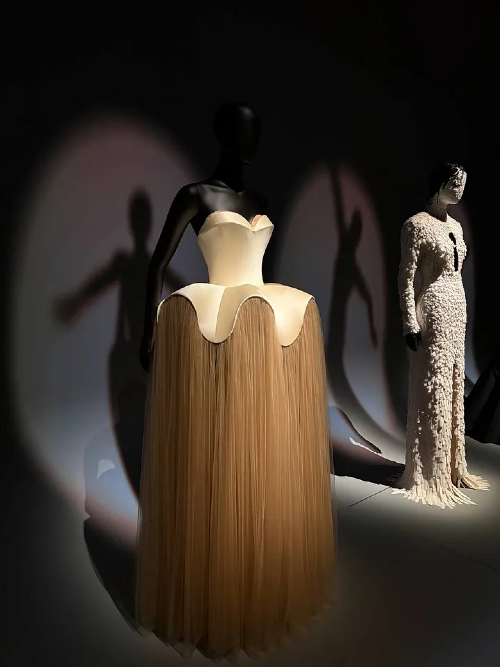
Overall, all the corsets took my breath away, not only because of the level of craftsmanship but also because they are clothes for VERY thin women. I looked at the corsets with the quiet grief of someone who will never find out what it feels like to wear these masterpieces.
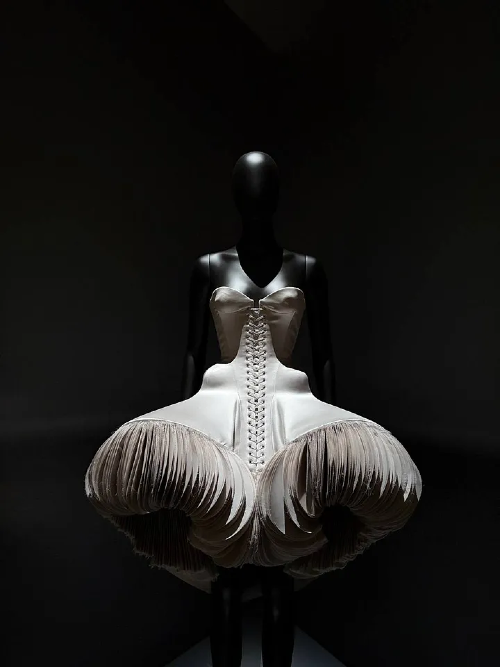
One thing the exhibition quietly skips: why the house went bankrupt in 1954. There are plenty of reasons: Dior arrived, Elsa was taking care of her grandchildren, the consequences of war, but the show moves from triumph straight to legacy without stopping at the collapse. There's also nothing about Chanel in the show. Which is fair since the exhibition is not about their rivalry. But Chanel took Elsa's success and nepotism personally and hard. She even called her "that Italian artist who makes clothes" and refused to acknowledge her as a peer. The show doesn't dwell on it, neither should we.
But the exhibition is not about Elsa, it’s about the brand, and it looks like it’s thriving since its acquisition in 2006. Pretty much all the rooms are about Daniel Roseberry's genius and their connection too. In the last room, runways, red carpets, and award ceremonies, all displayed with lighting that throws completely different silhouettes onto the wall behind them. The dress is one thing, its shadow another. Ariana Grande’s Oscars gown 2025, Dua Lipa’s black and gold Skeleton dress for the Golden Globes 2024, all the bangers. Against Elsa’s archive, tbh, Roseberry reads as genuinely futuristic. And honestly — he wins.
Elsa died in 1973. Buried in Paris, as she wished, in a Shocking Pink pyjama.